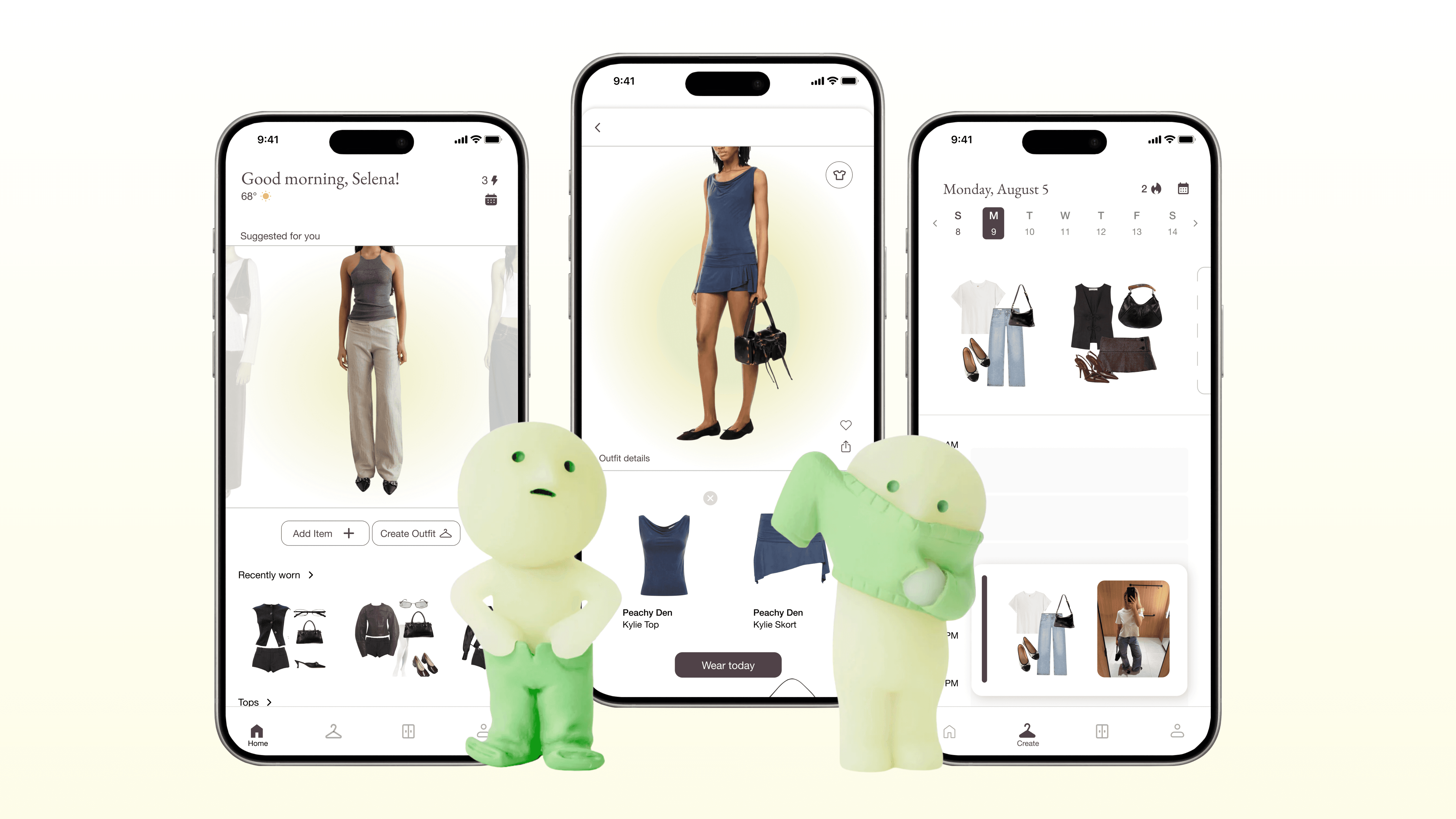
An AI-powered digital closet that lets users upload their clothes, visualize outfits on their own body, and receive personalized styling suggestions. It simplifies wardrobe management by tracking outfits and inspiring new looks through data-driven recommendations.
YEAR
ROLE
TOOLS
SKILLS
User Research
I conducted 8 user interviews and asked targeted questions like:
🧠 Understanding Current Behavior
How do you currently decide what to wear each day? How often do you buy clothes?
🤕 Pain Points & Challenges
What challenges (if any) do you face in the process? How often do you forget about clothes you already own or struggle to make use of them in outfits?
📊 Usage Patterns
💛 Motivations & Emotions
What motivates you most when getting dressed — comfort, appearance, mood, or others’ opinions? How satisfied are you with your current sense of style?
Alongside the interviews, I did research on the topic of digital closets and wardrobes. These were my top findings:
Users frequently forget about clothes they own or under-utilize their wardrobe, leading to unnecessary purchases and decision fatigue. Many people wear less than 50% of what’s in their closet.
According to research, organization and visual cataloging are major user motivations — digital closets help users see and sort items more efficiently than physical closets, which reduces stress and increases usage of existing clothing.
User feedback across wardrobe management apps shows that structured digital wardrobes can reduce stress, improve daily routines, and support outfit creativity. (studies show ~210+ users noted psychological benefits)
Decision Fatigue
Users feel overwhelmed deciding what to wear each day and often resort to repeating the same few outfits for convenience.
Lack of Closet Awareness
Users frequently forget what’s in their closet, buy duplicates, or struggle to visualize full wardrobe, thus many pieces go unused.
Many users hesitate to experiment with styles because they can’t picture how items will look on them. Clothes often fit or appear differently in real life than expected.
01
02
03
04
05
User Flow
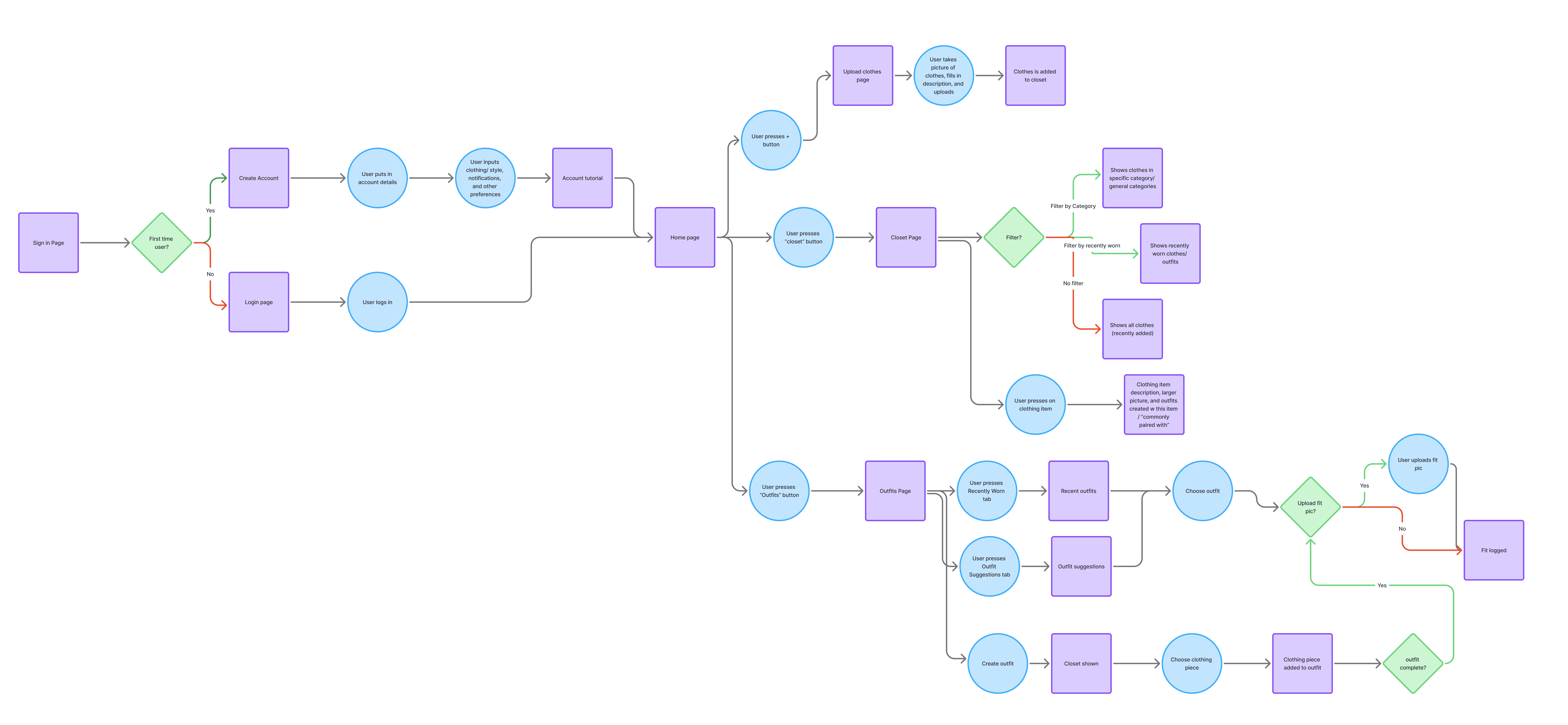
I created a user flow to validate that the experience scaled logically as the number of items in a user’s closet grew. Mapping the flow helped identify where users might feel overwhelmed and where guidance or automation was needed.
Lo-Fi Wireframes
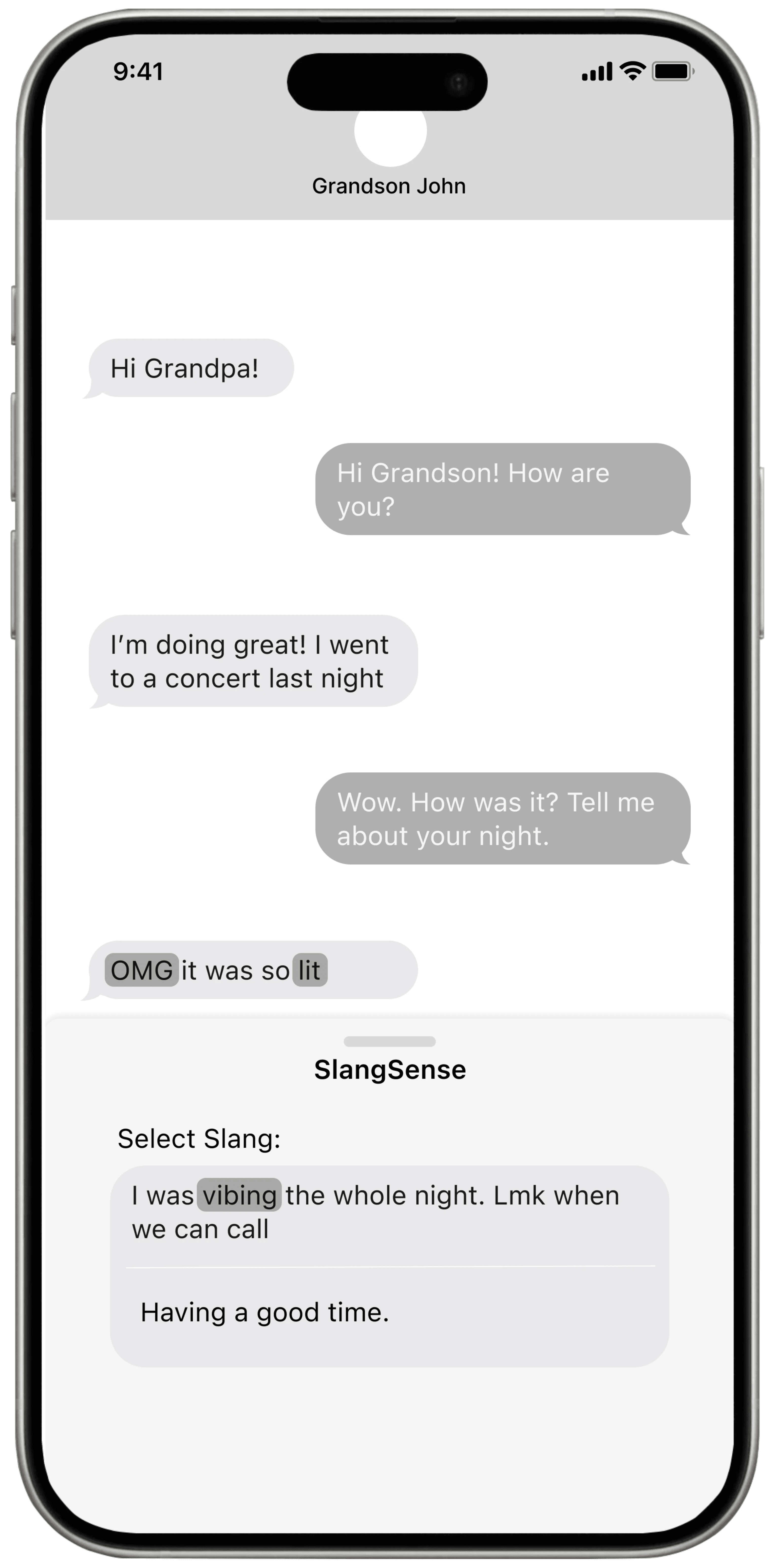
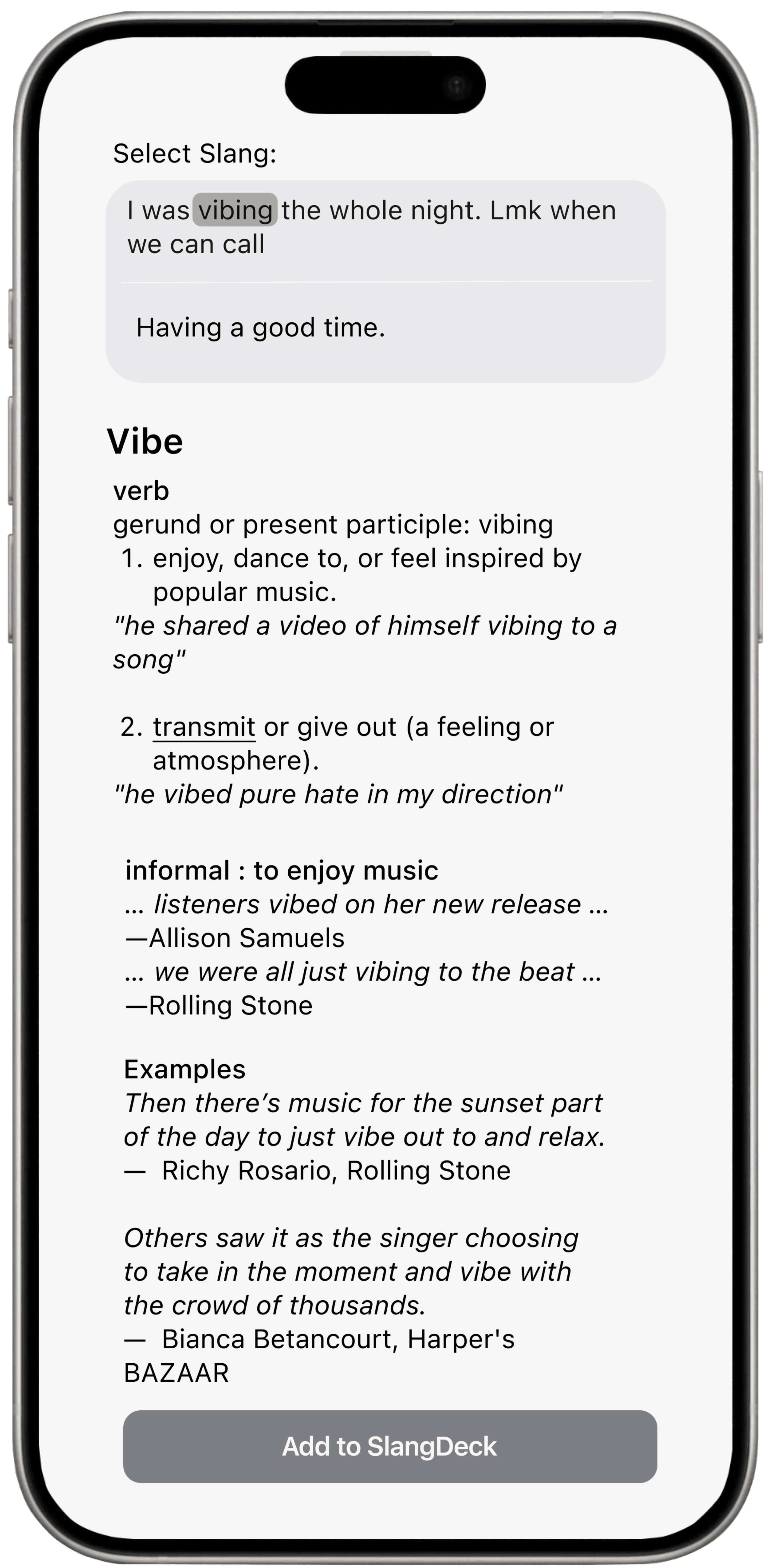
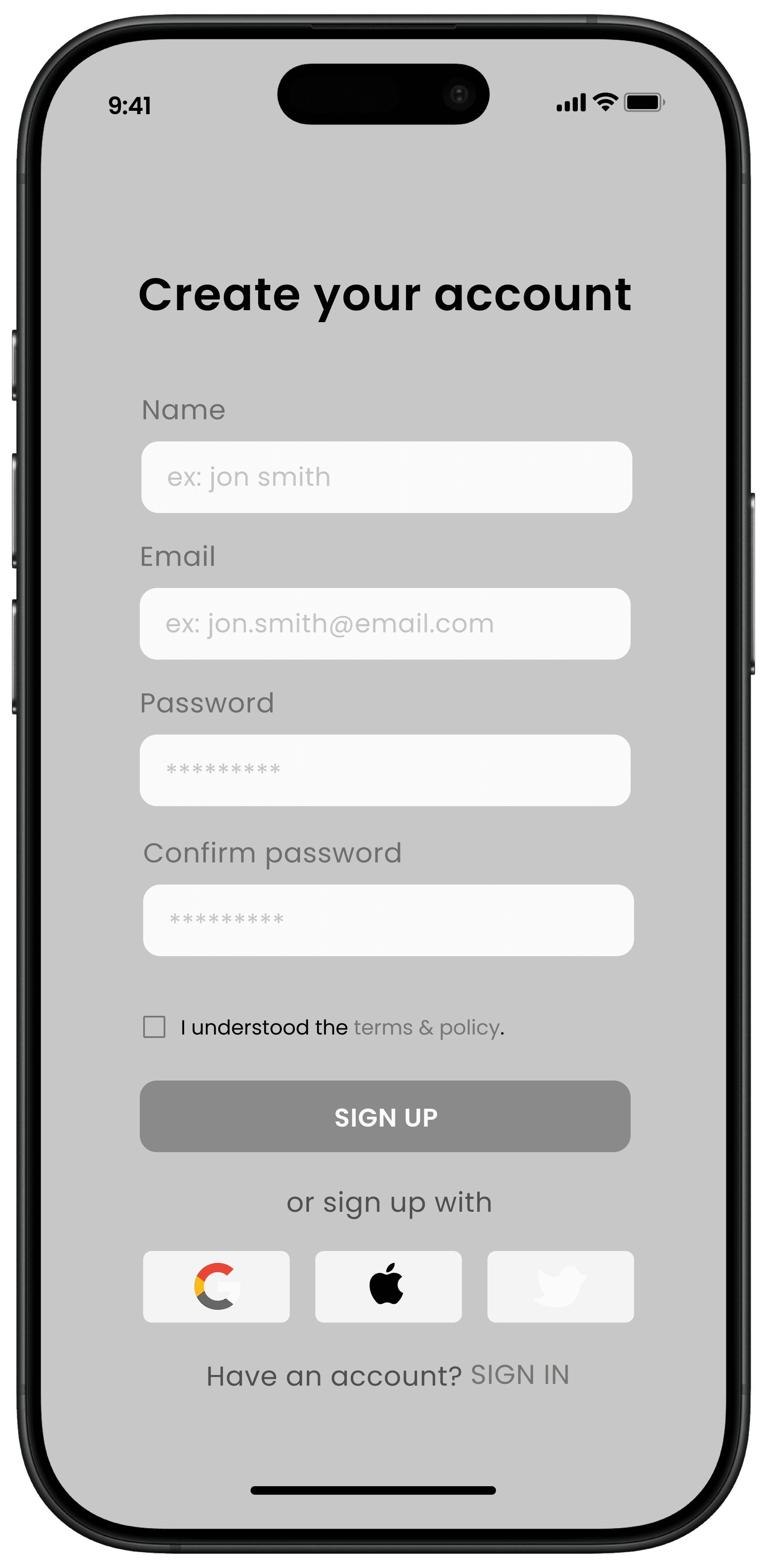
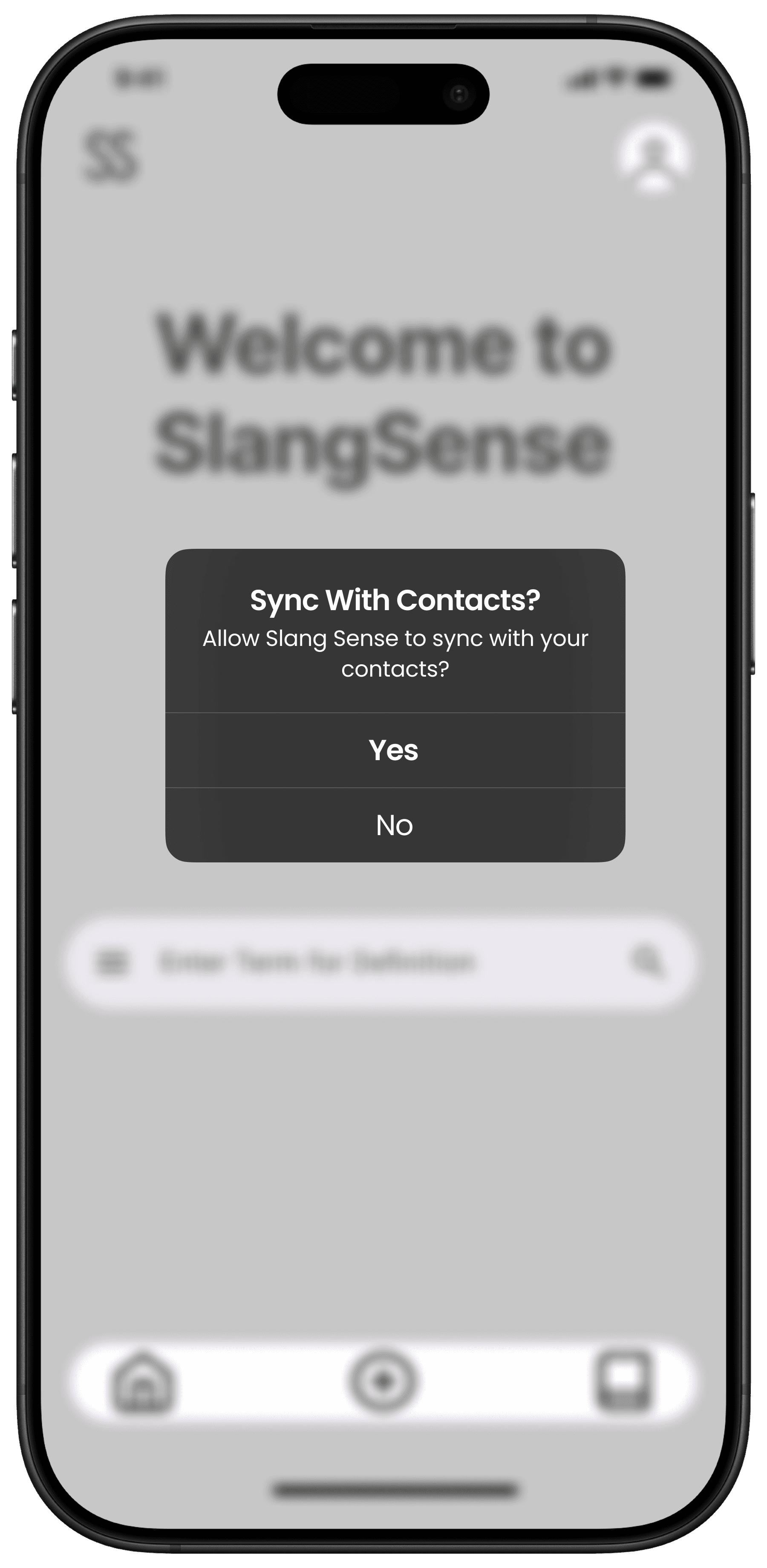
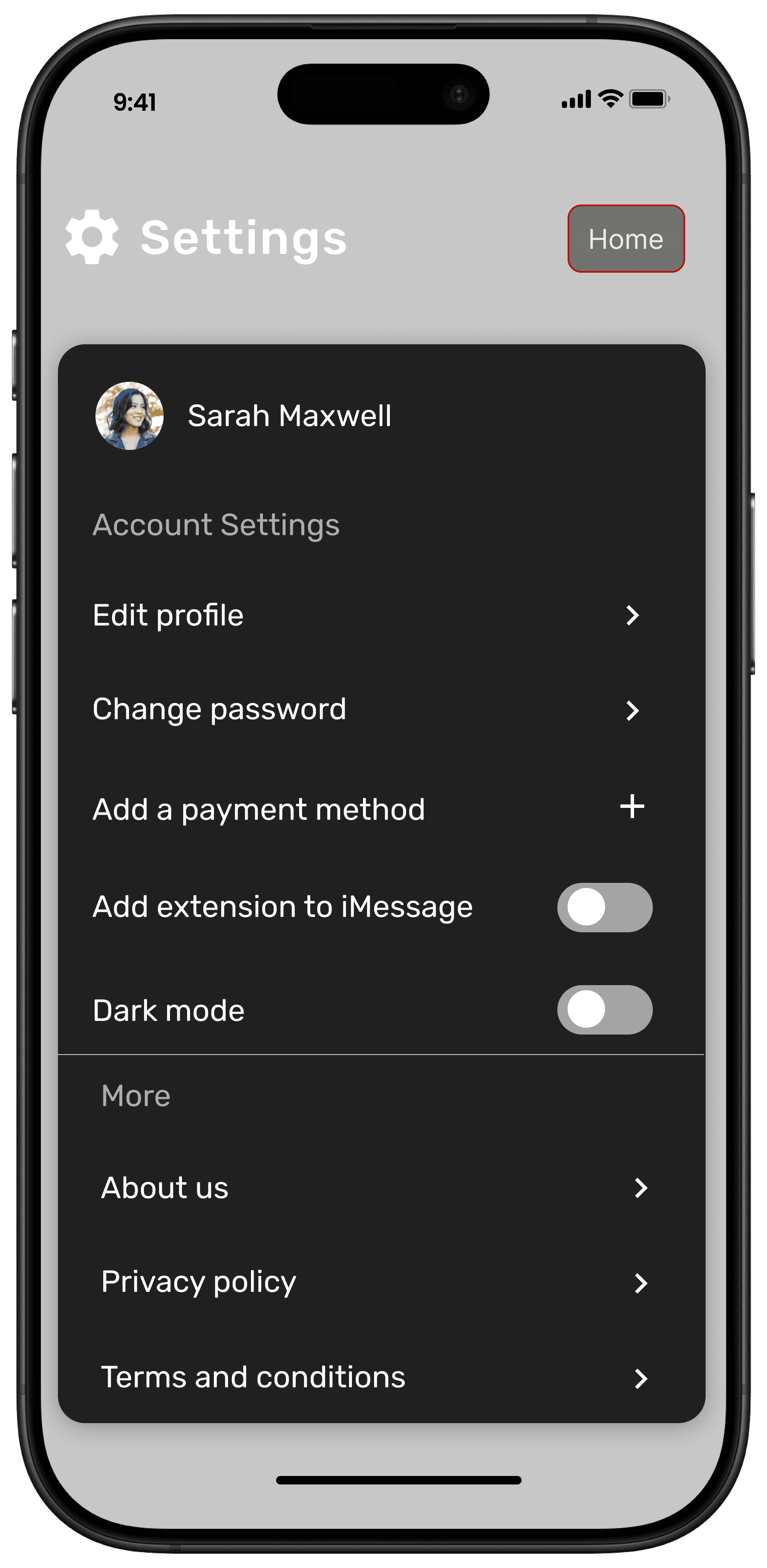
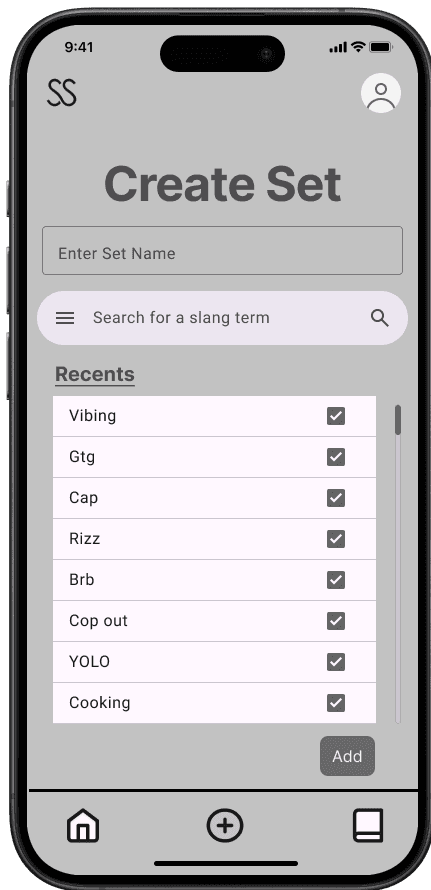
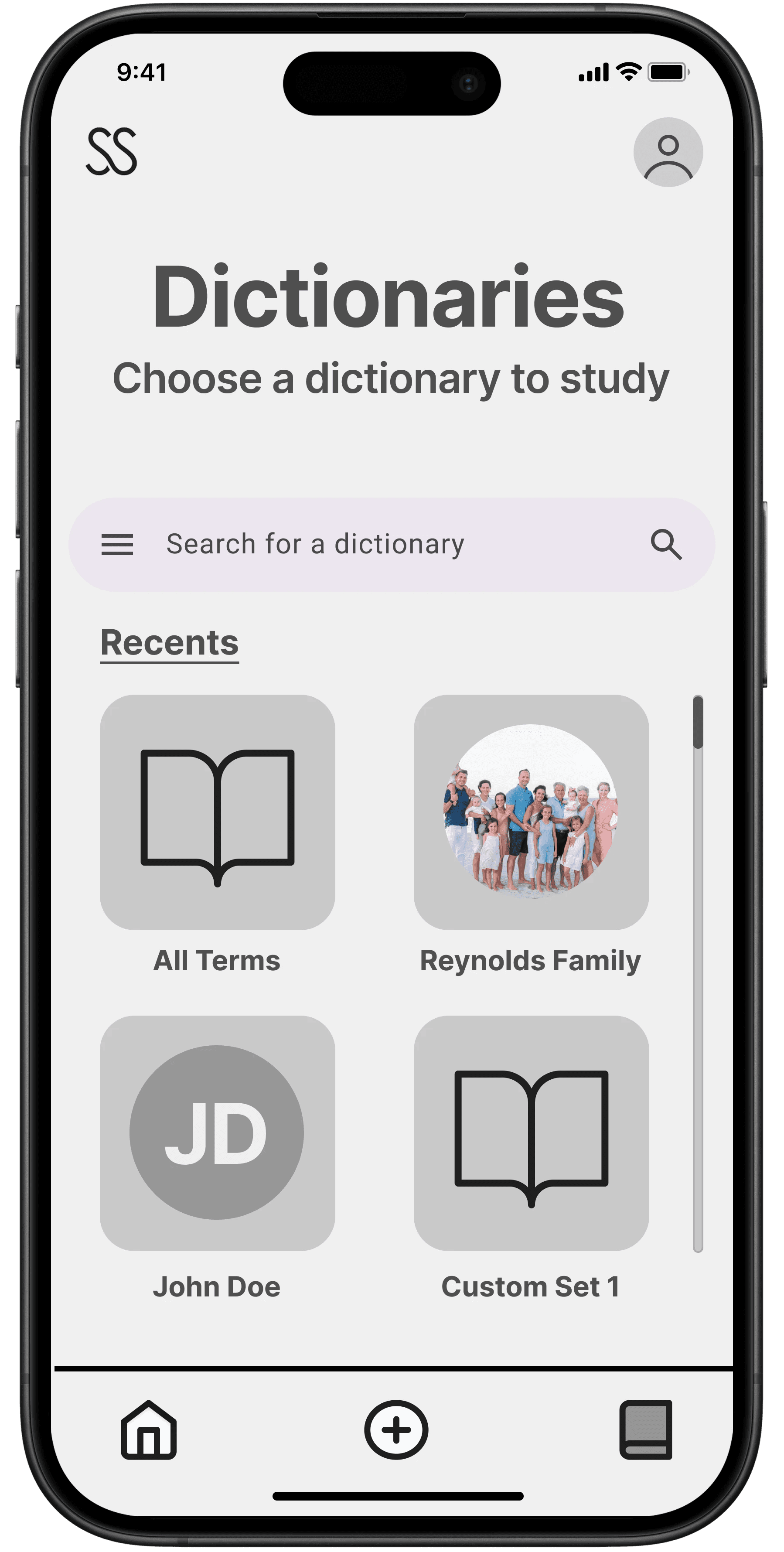
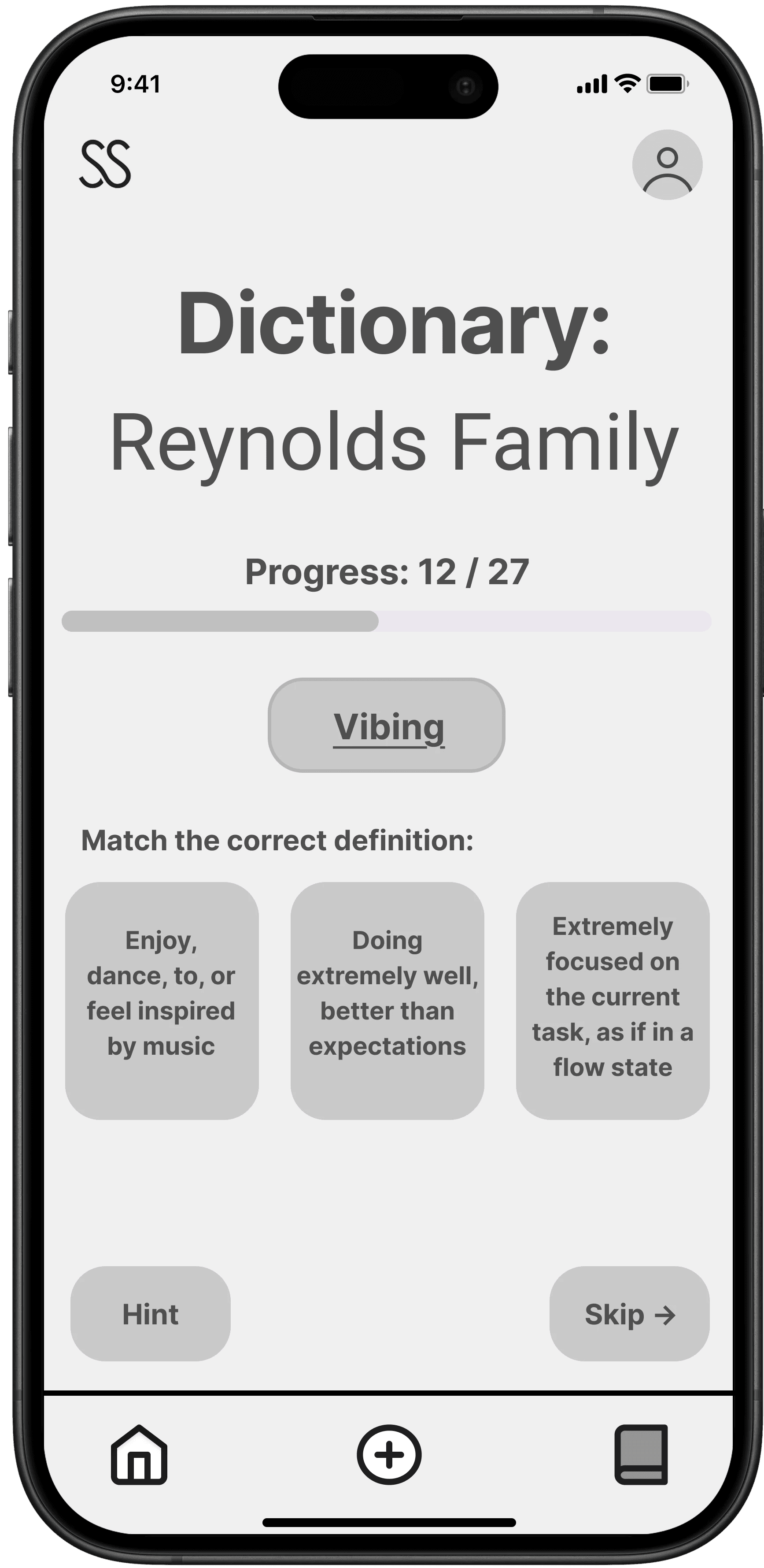
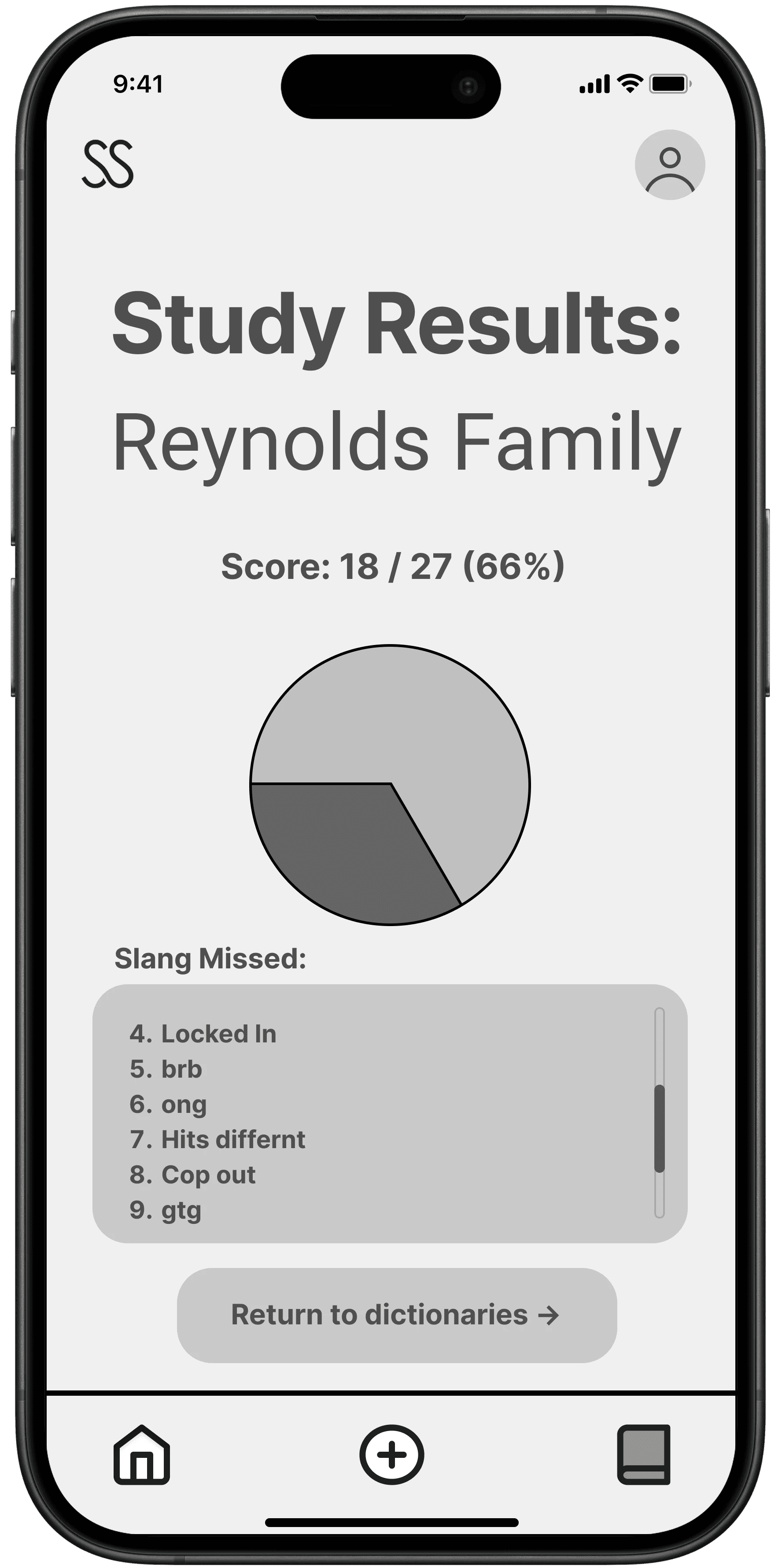
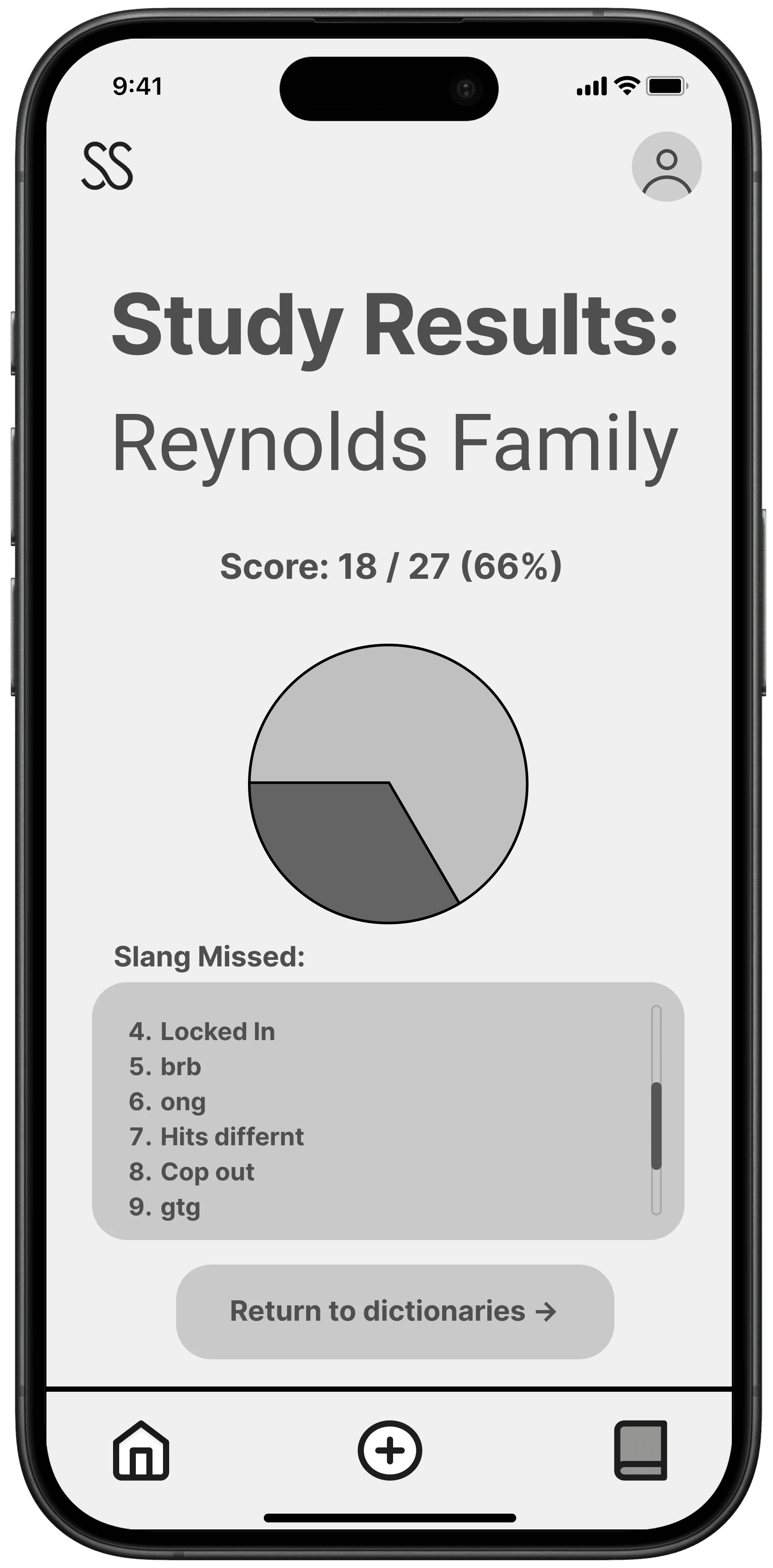
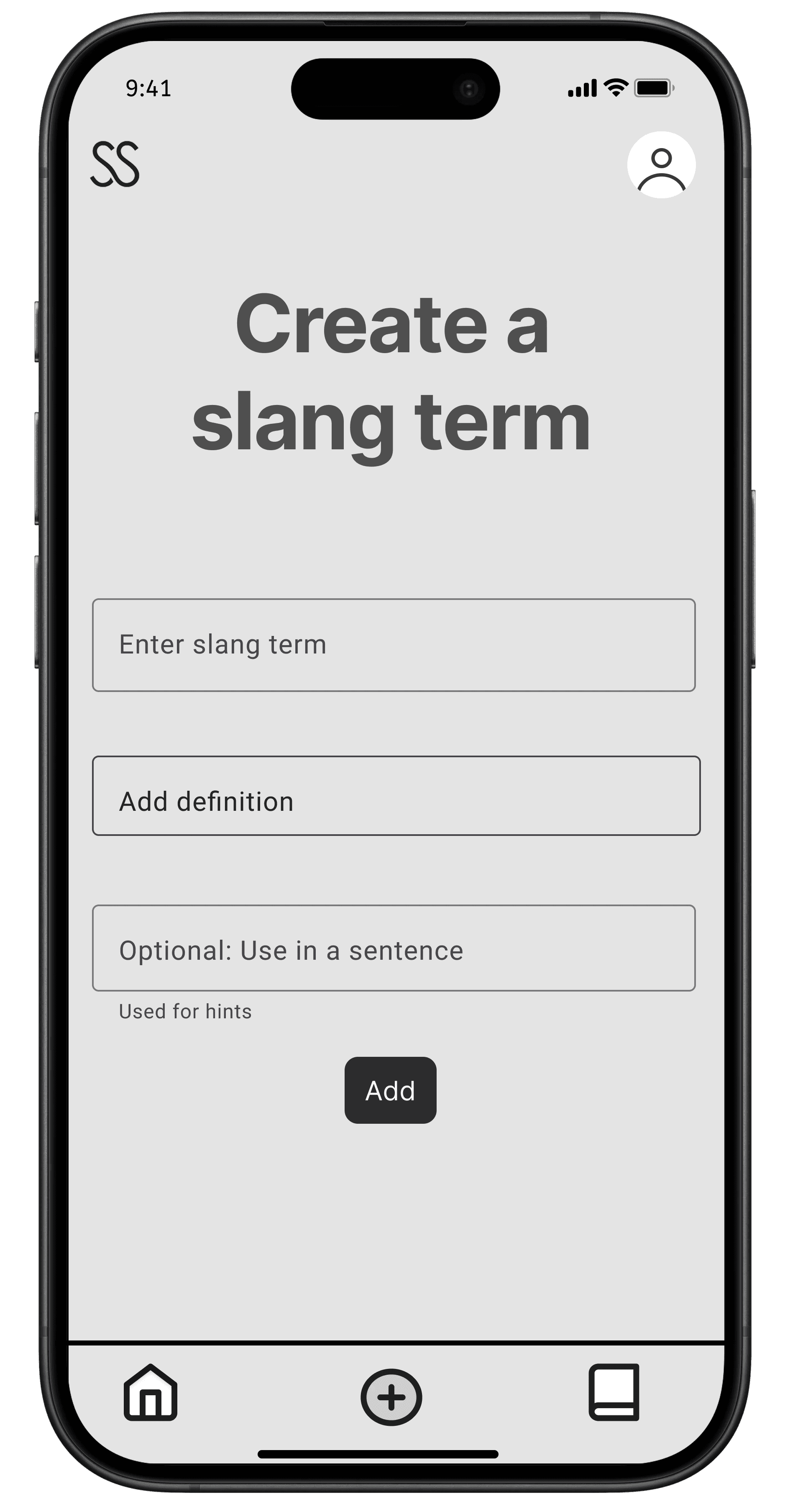
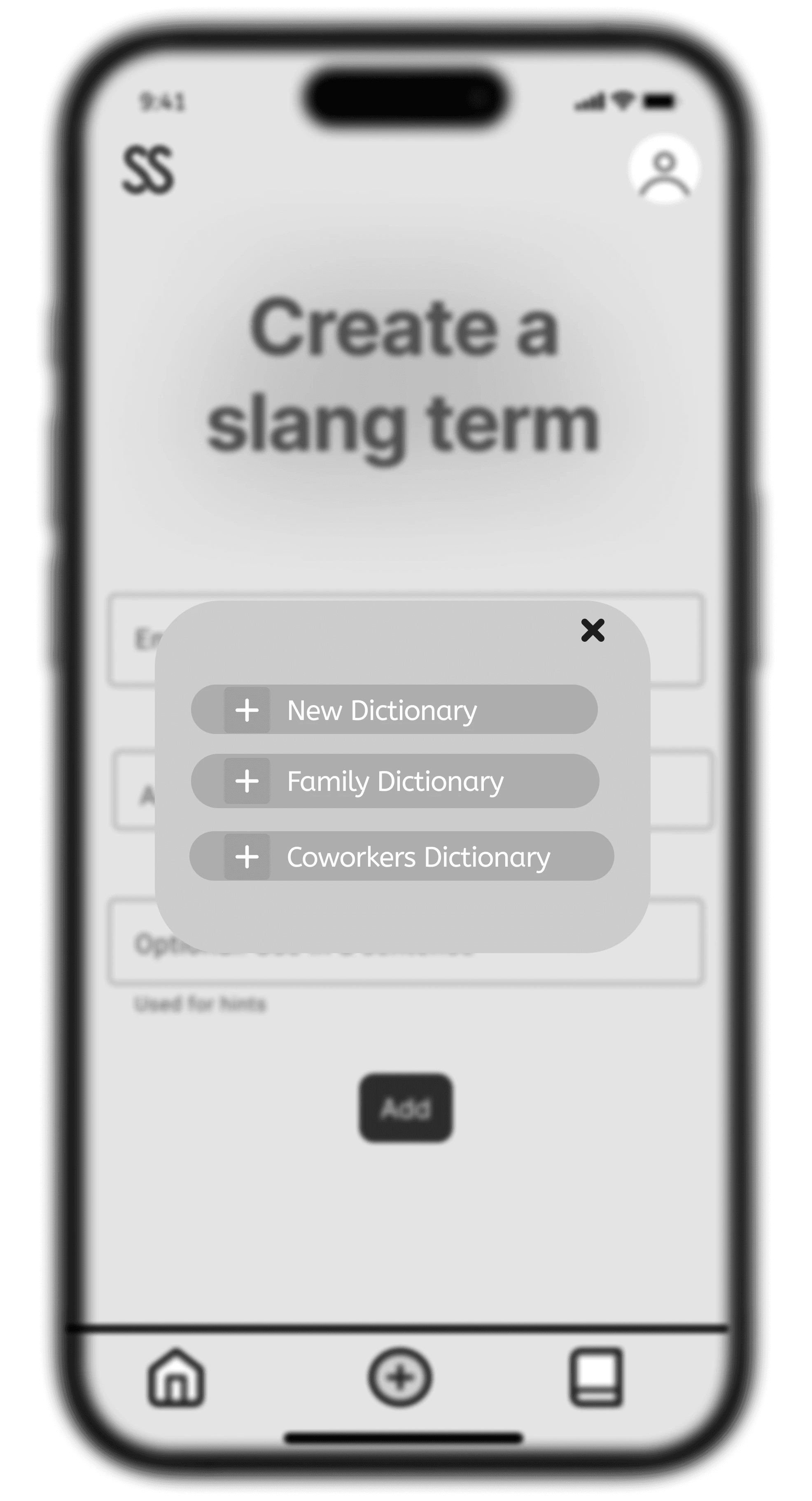
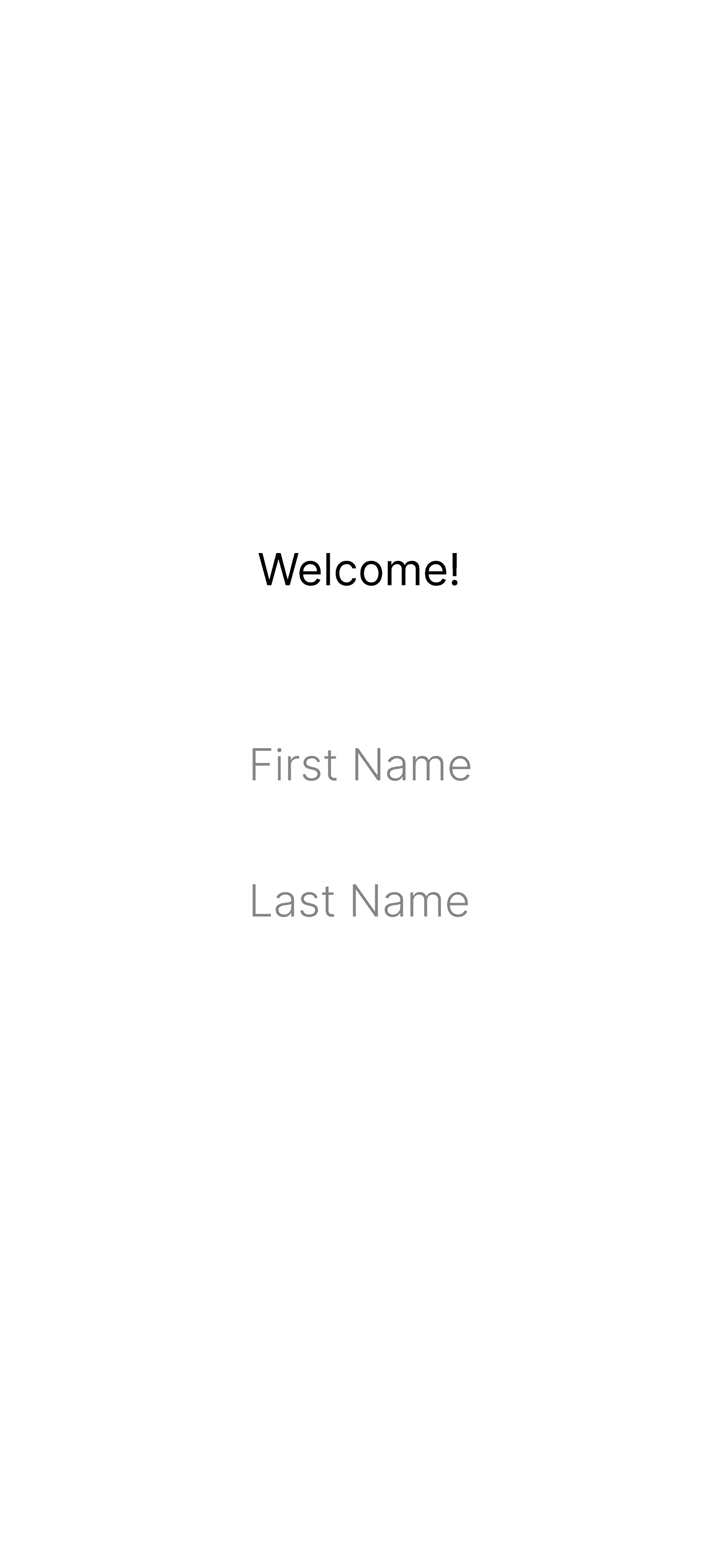
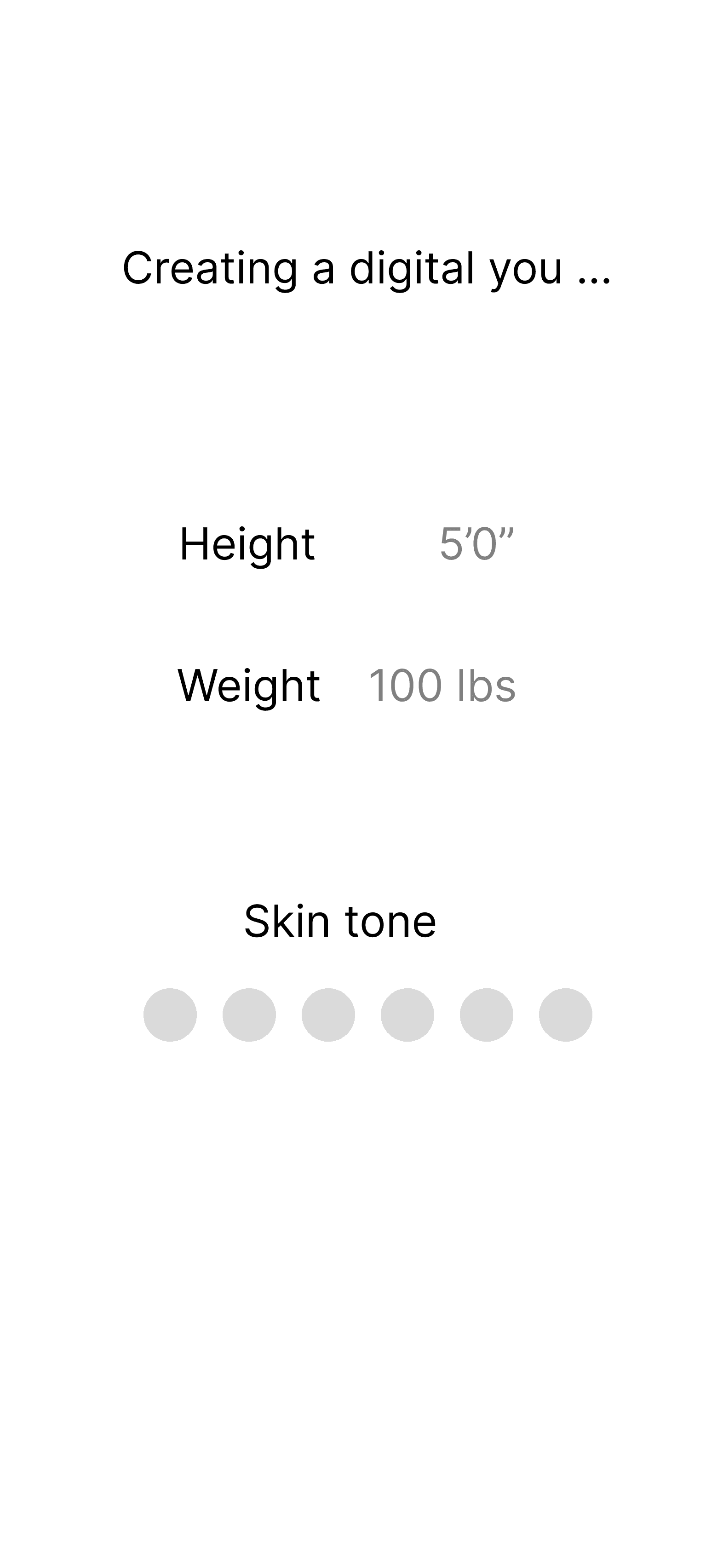
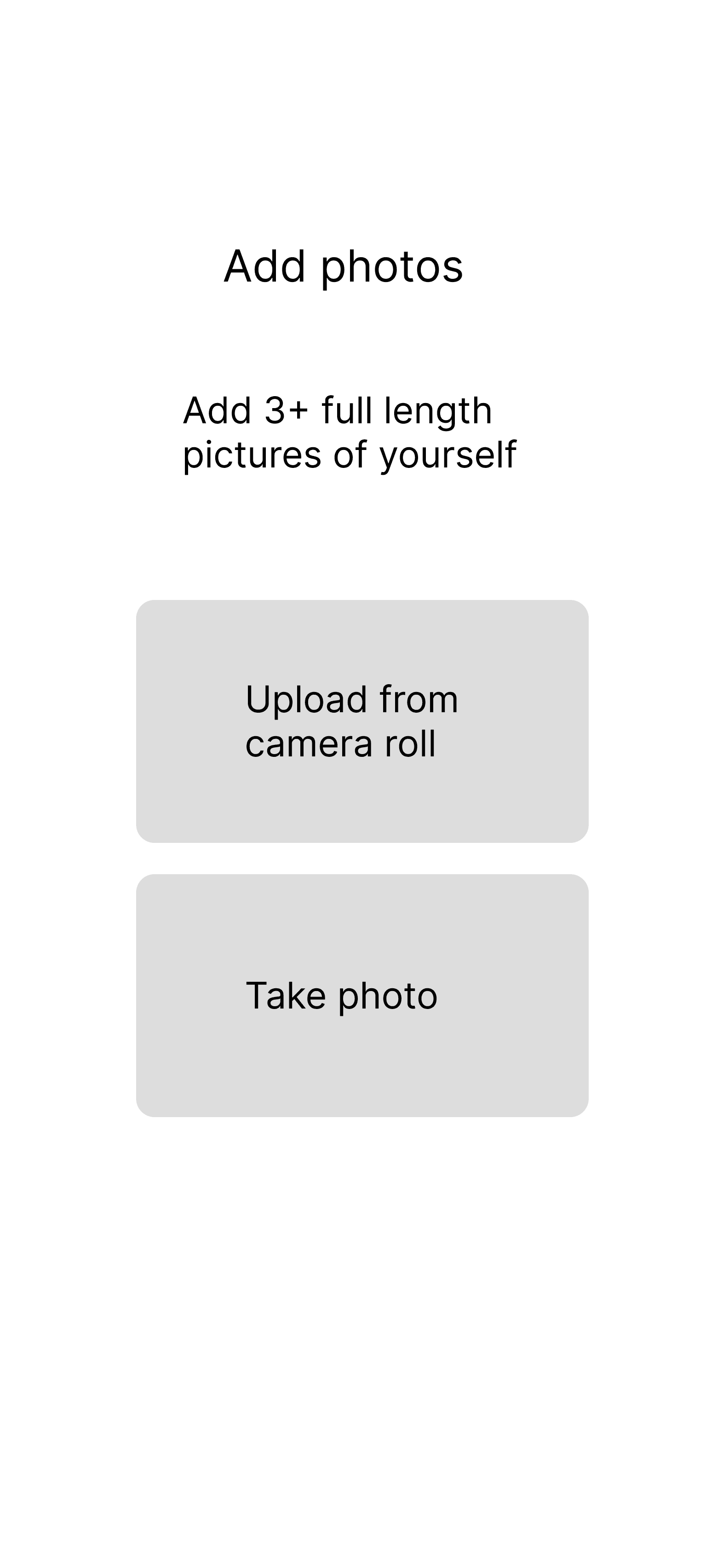
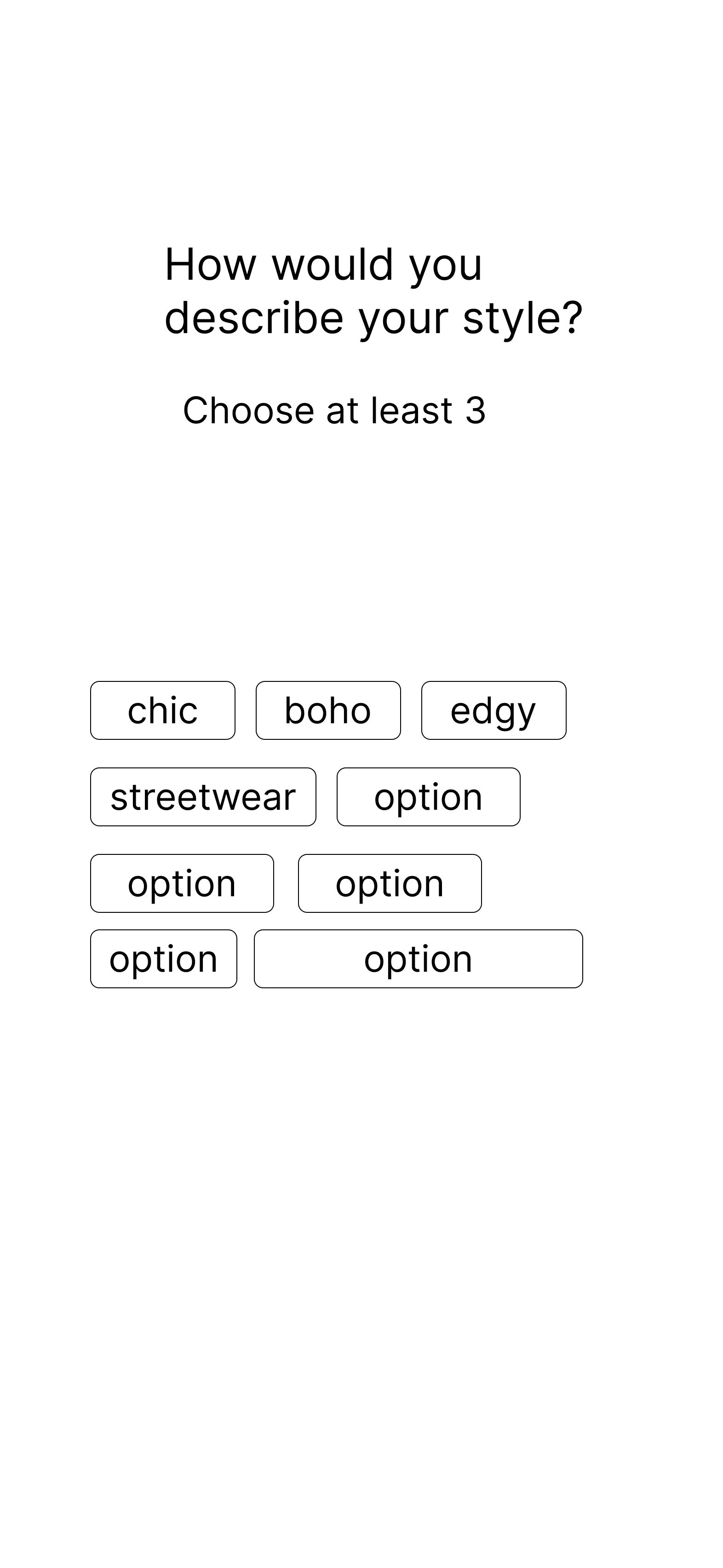
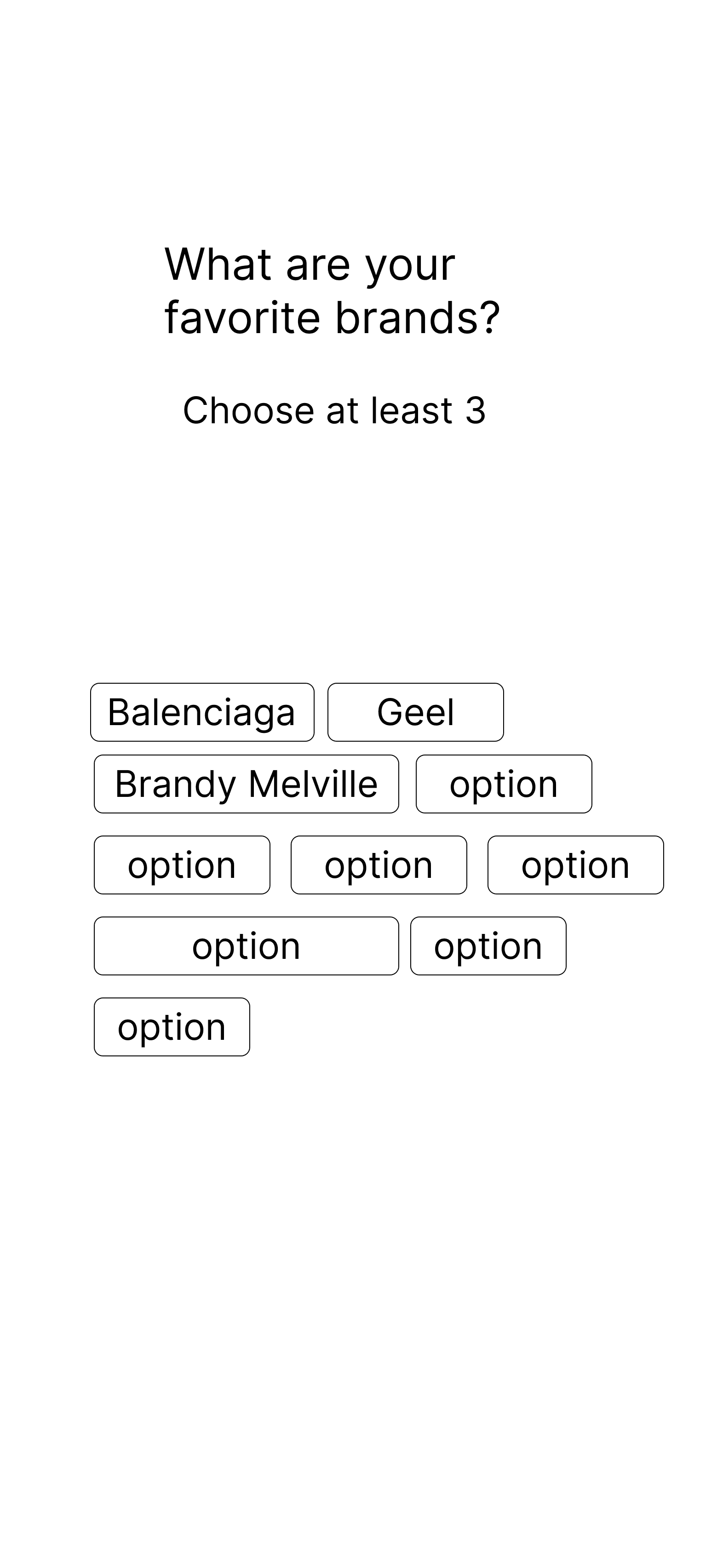
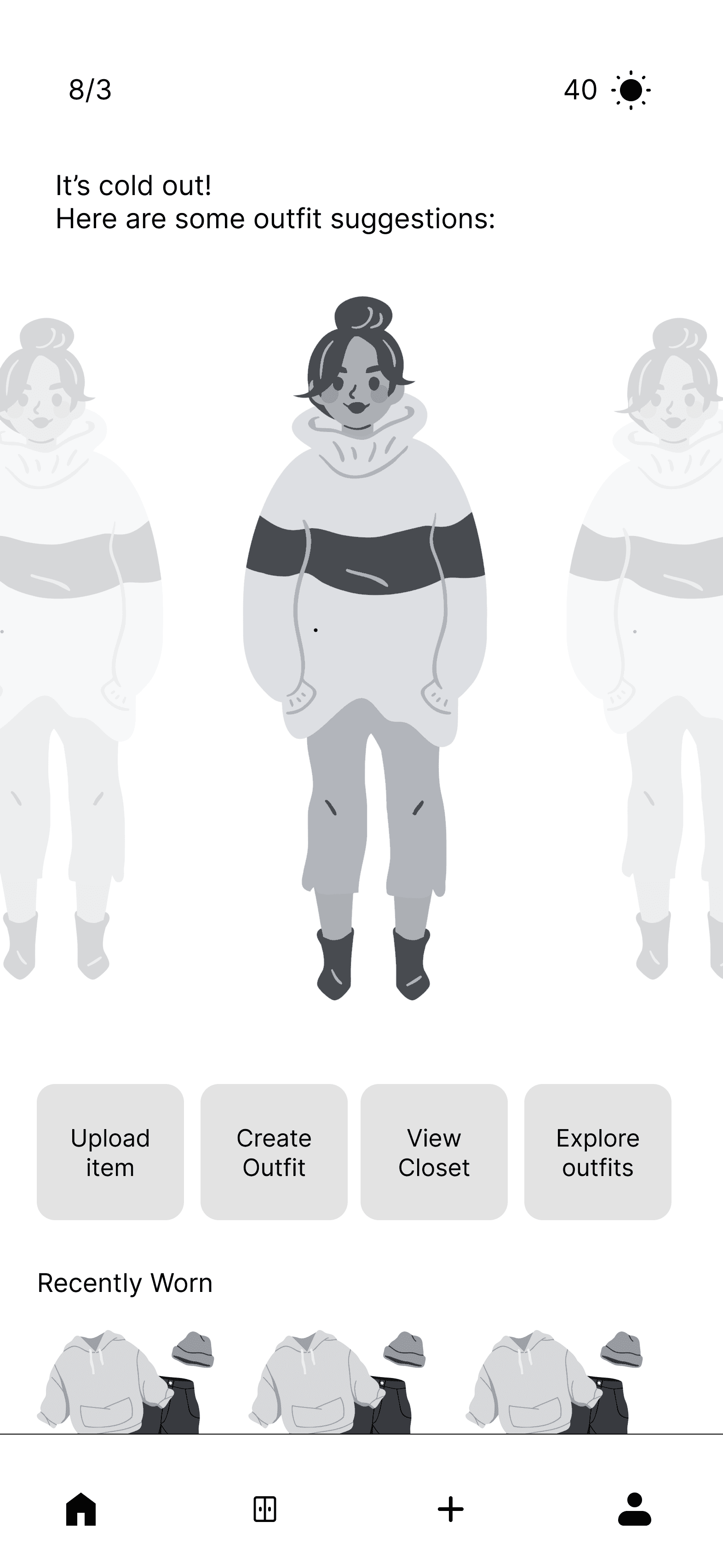
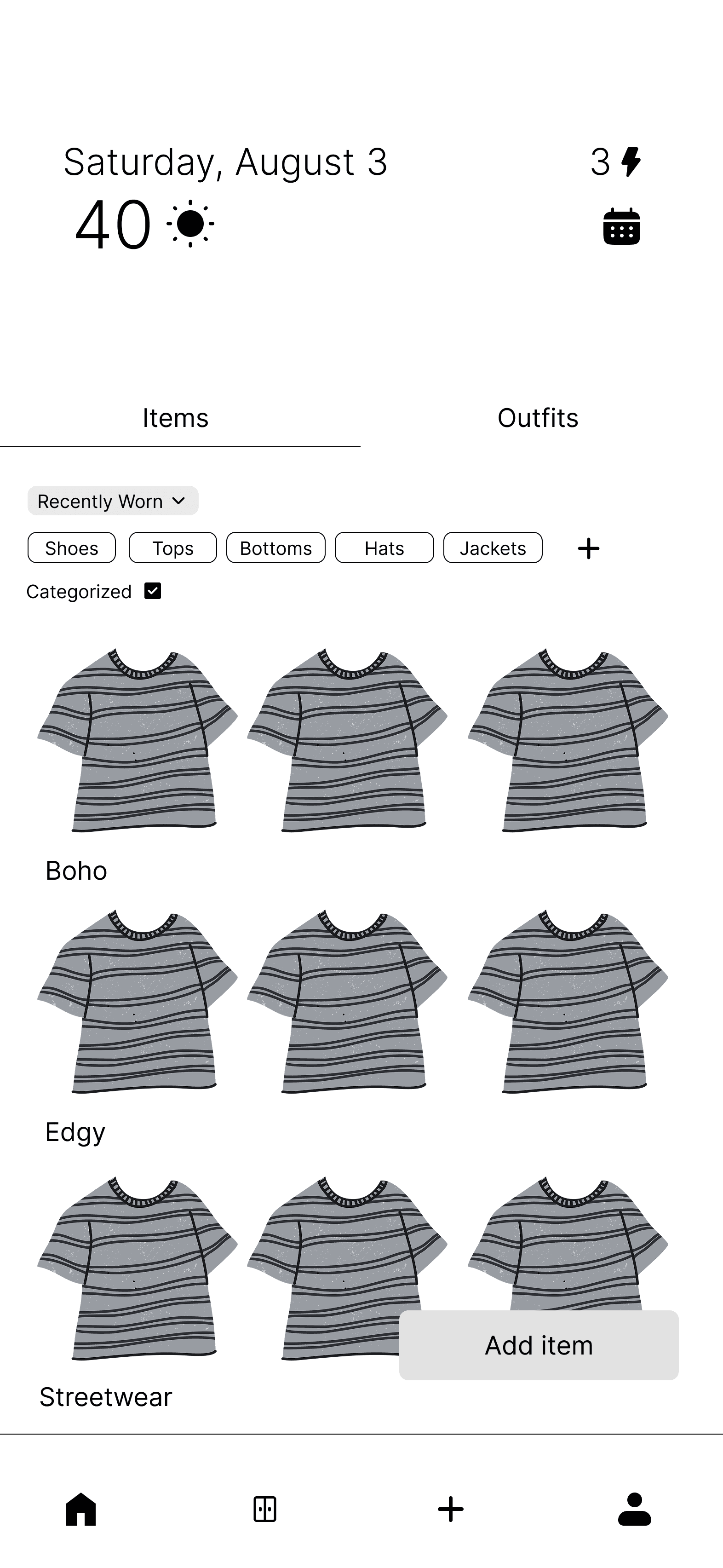
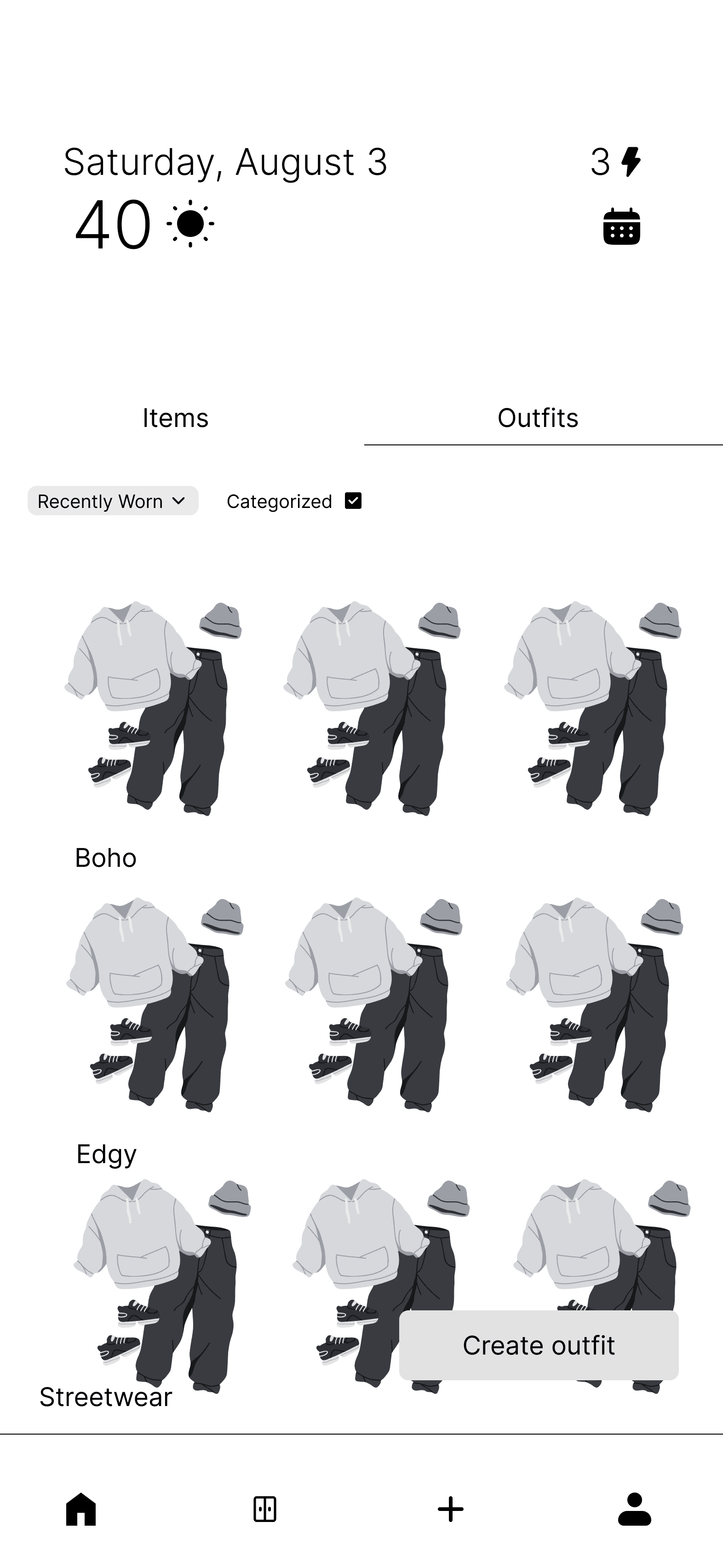
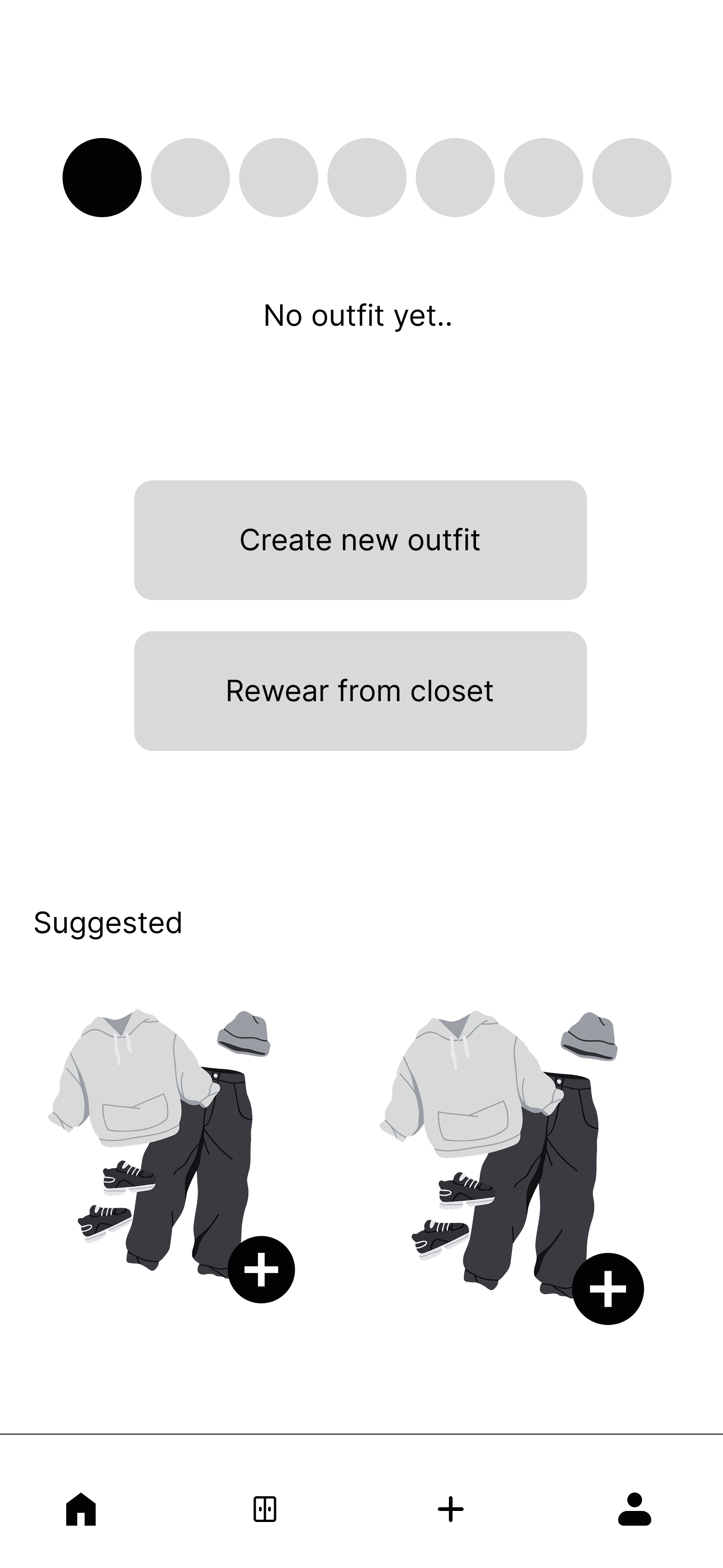
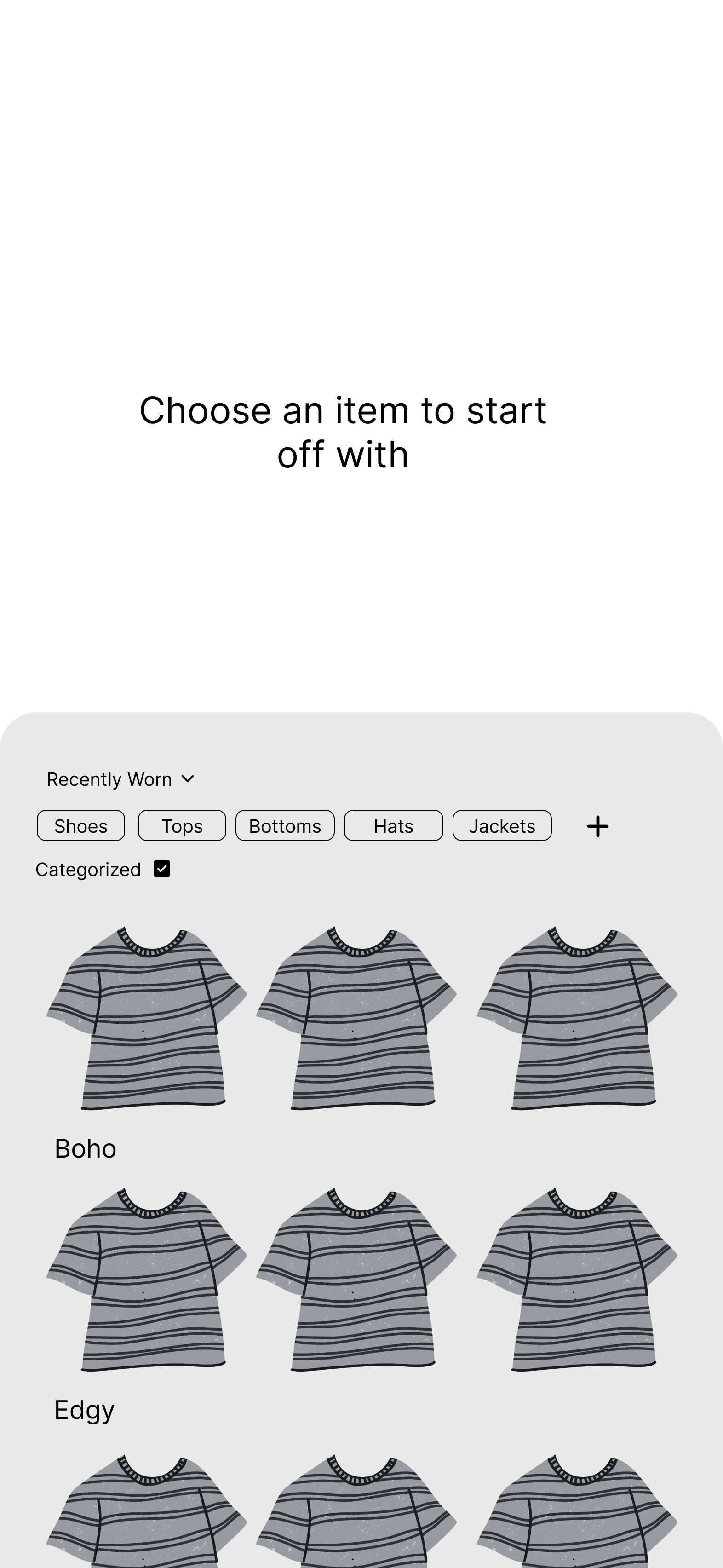
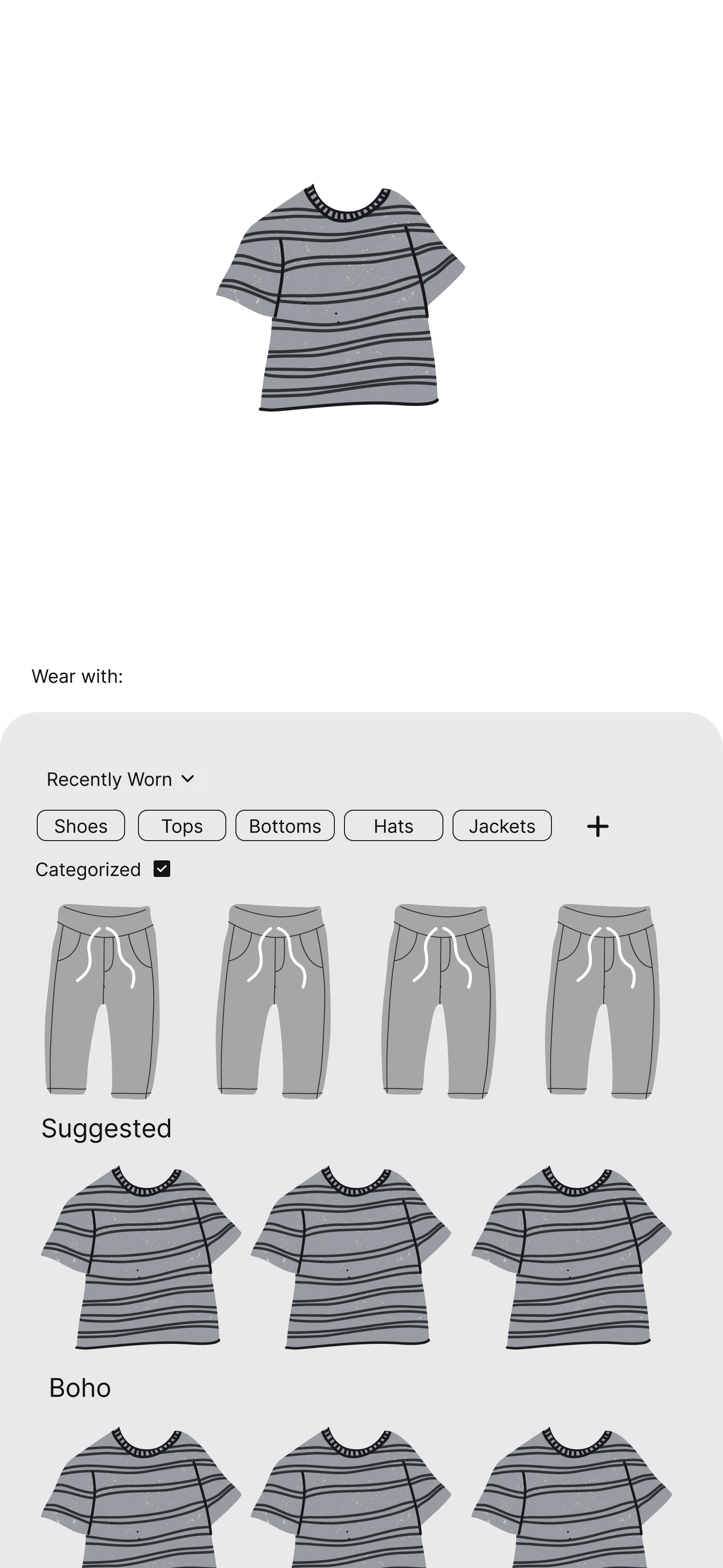
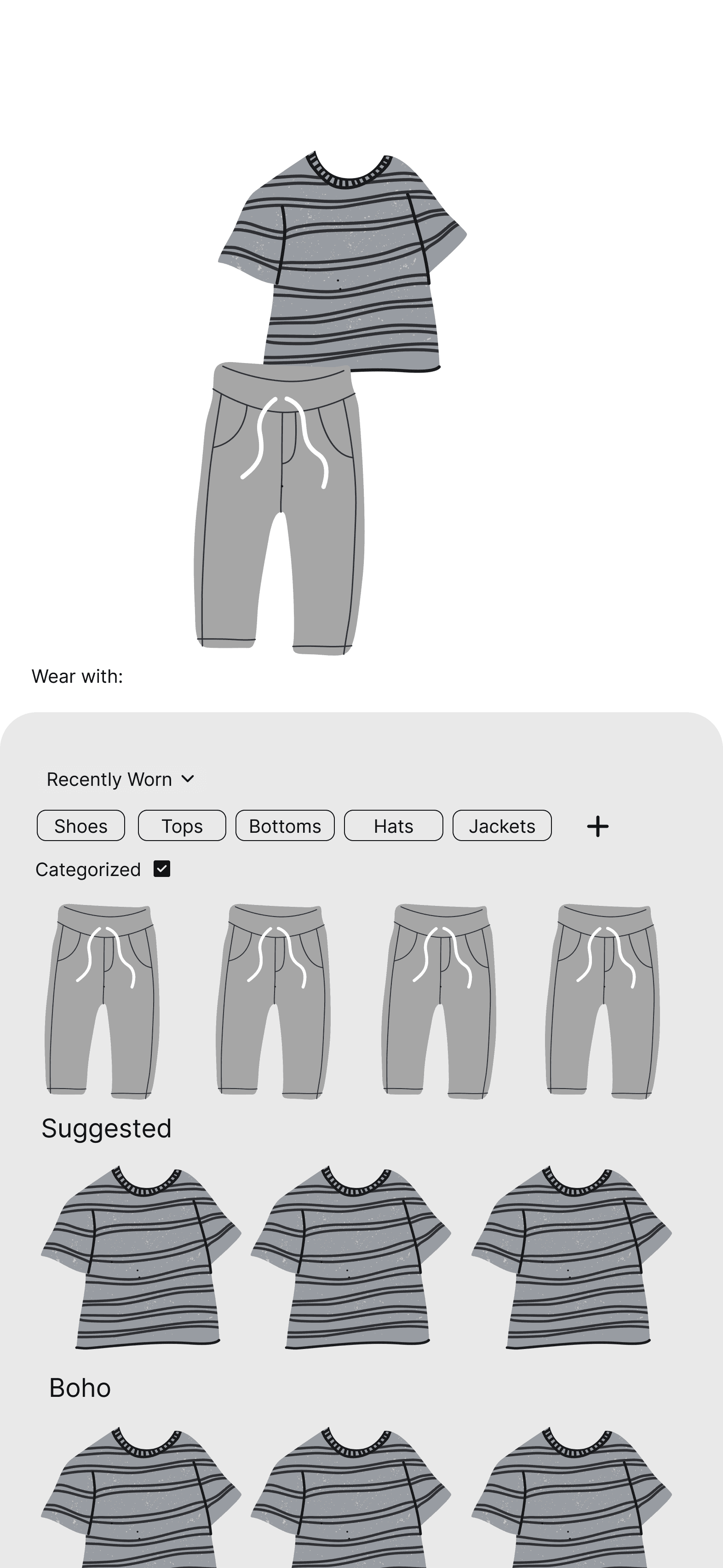
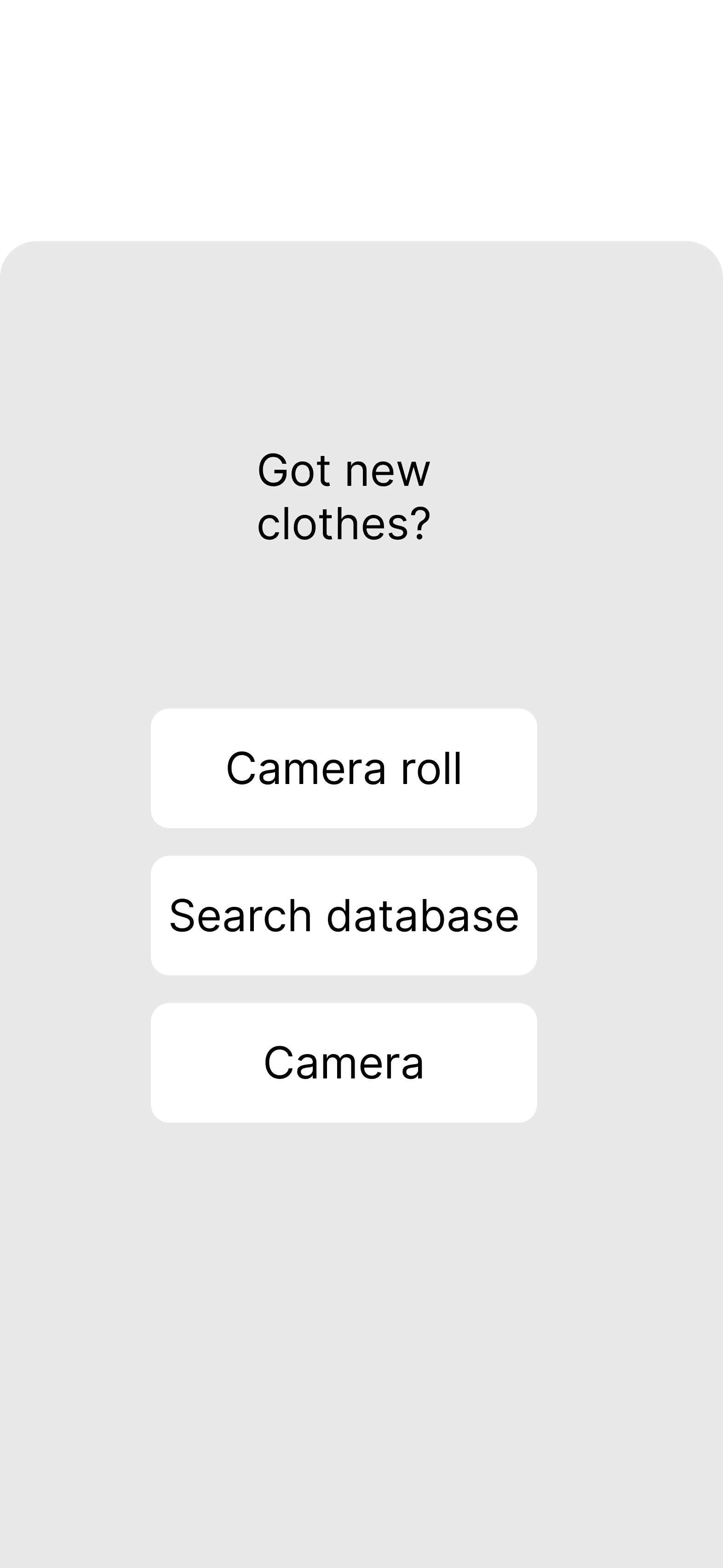
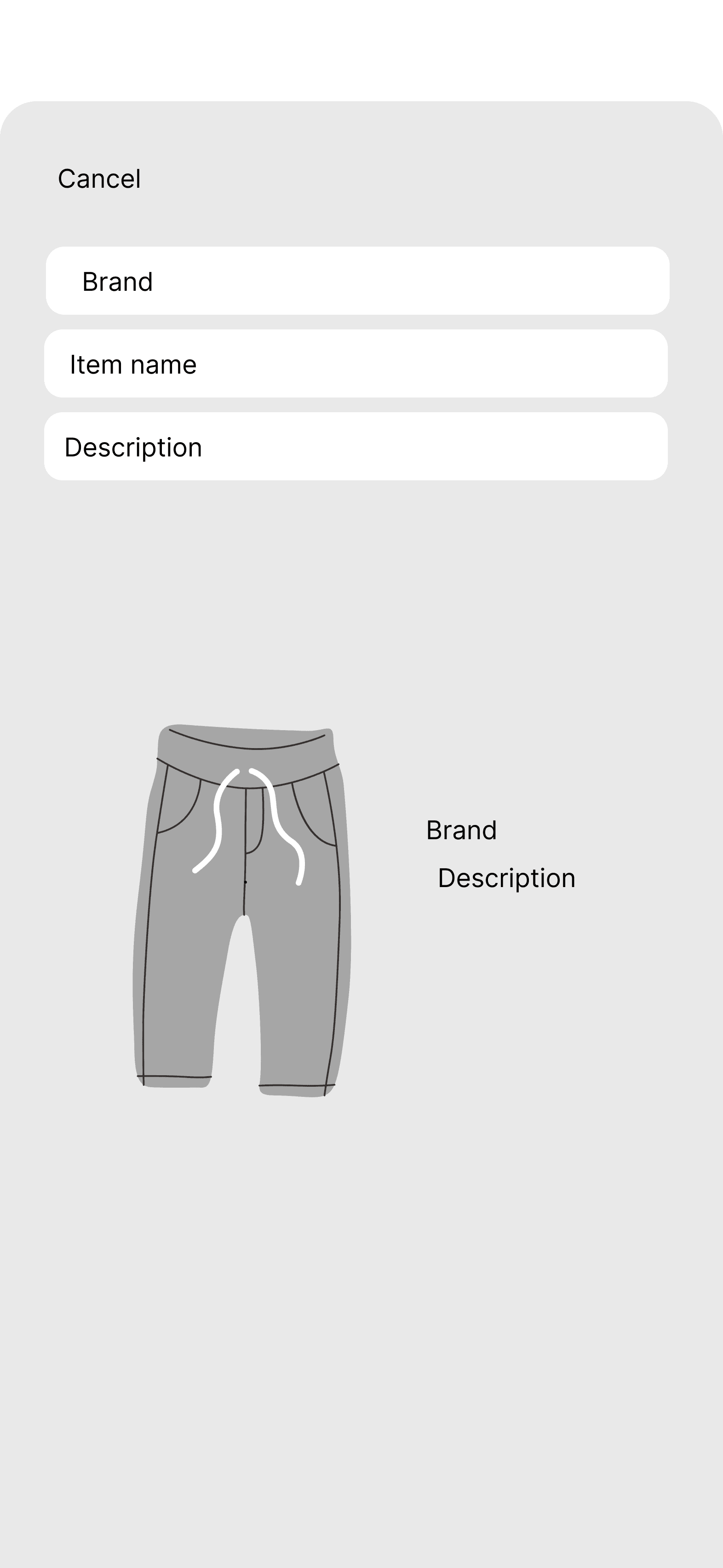
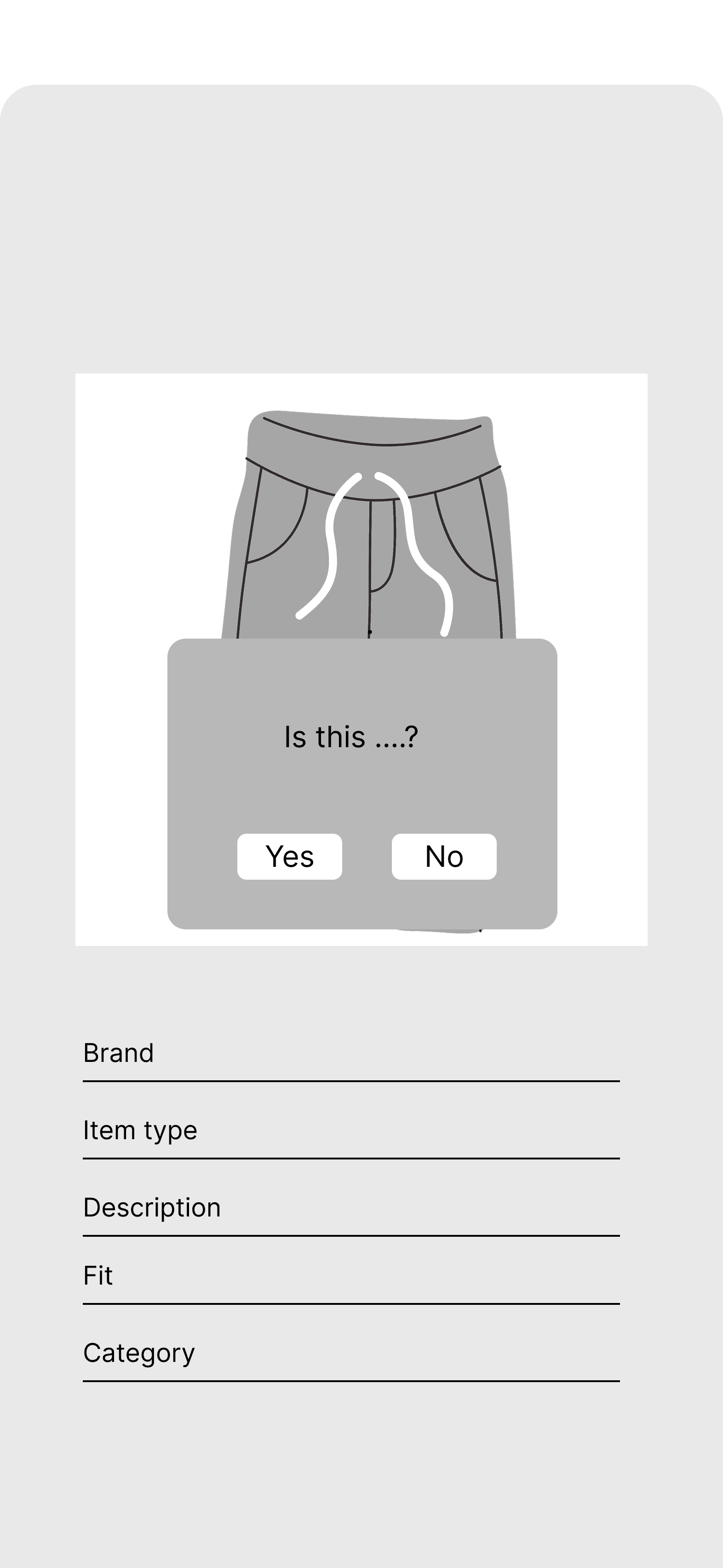
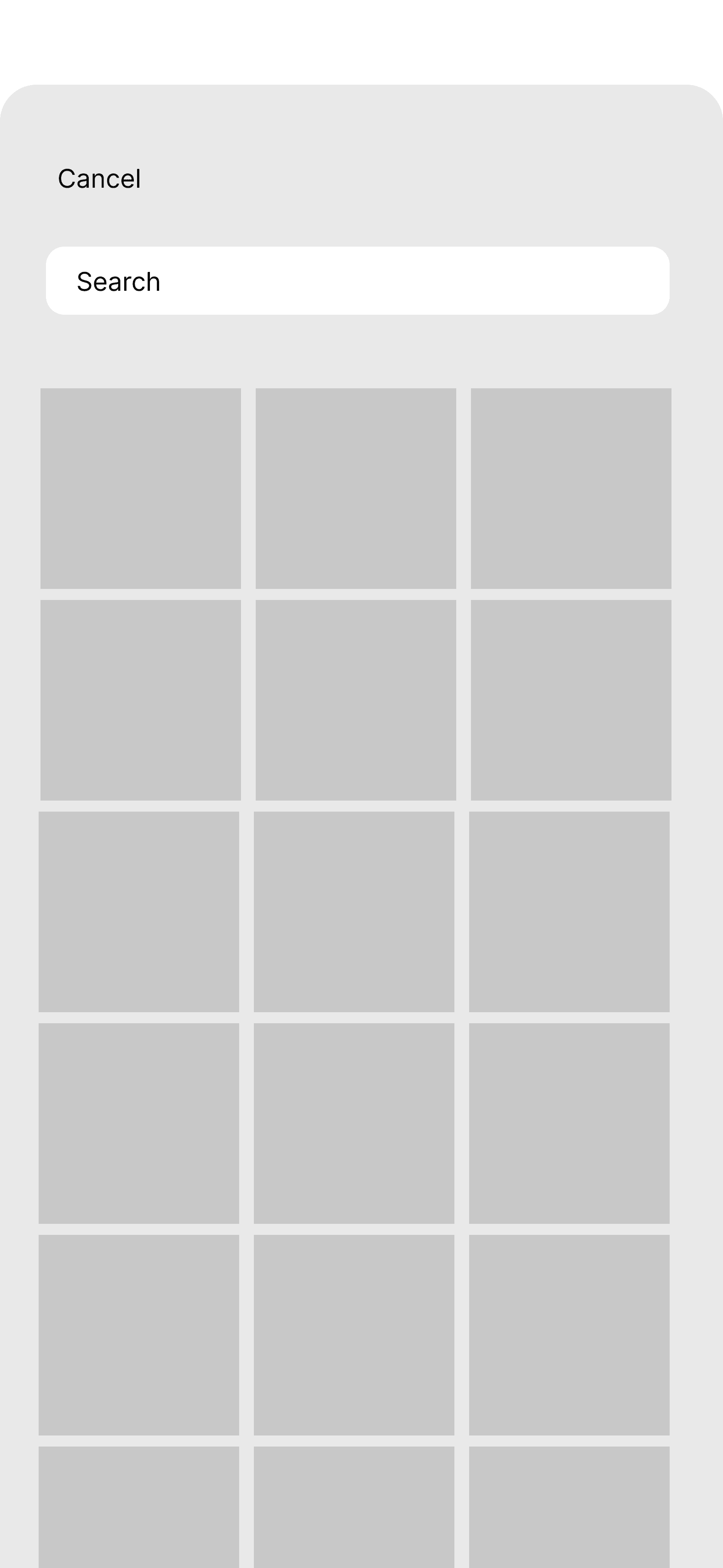
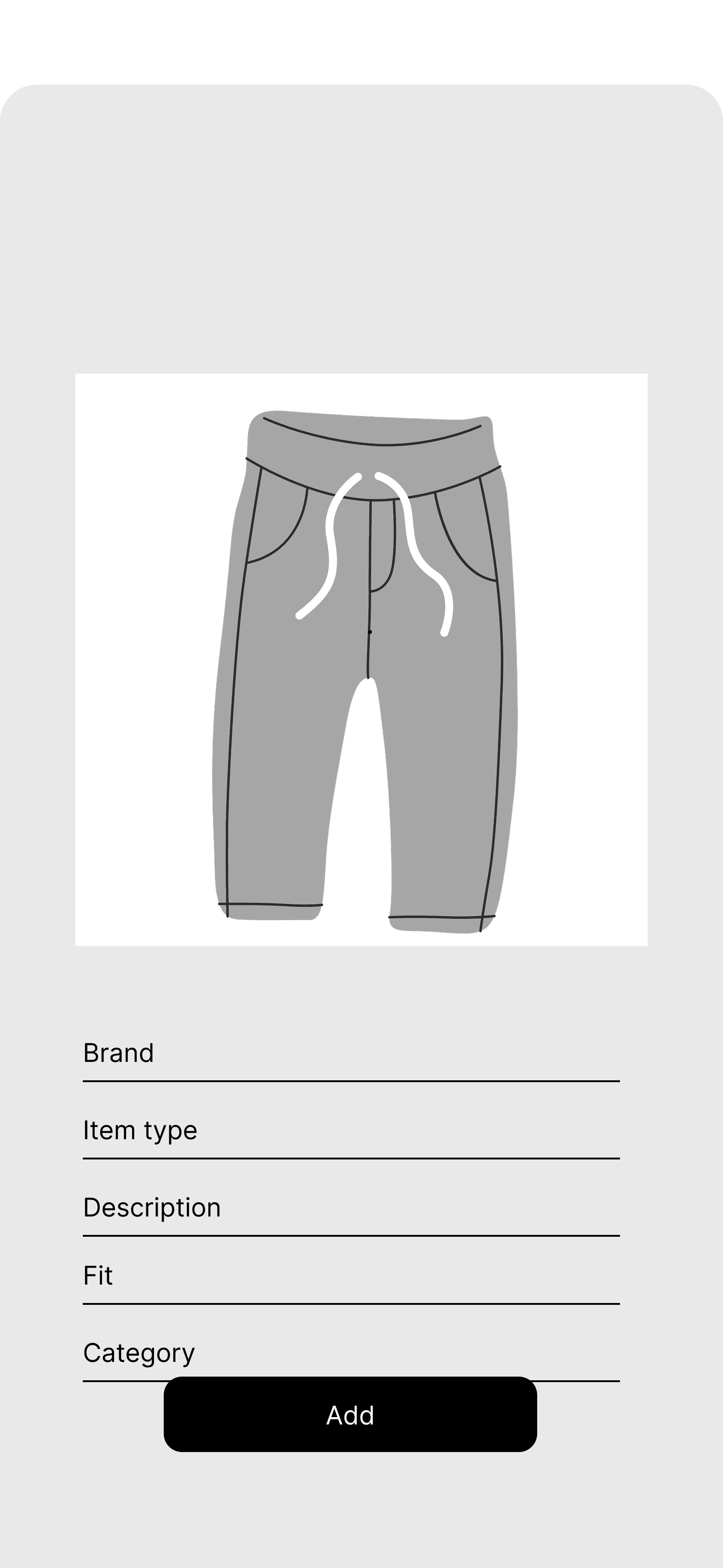
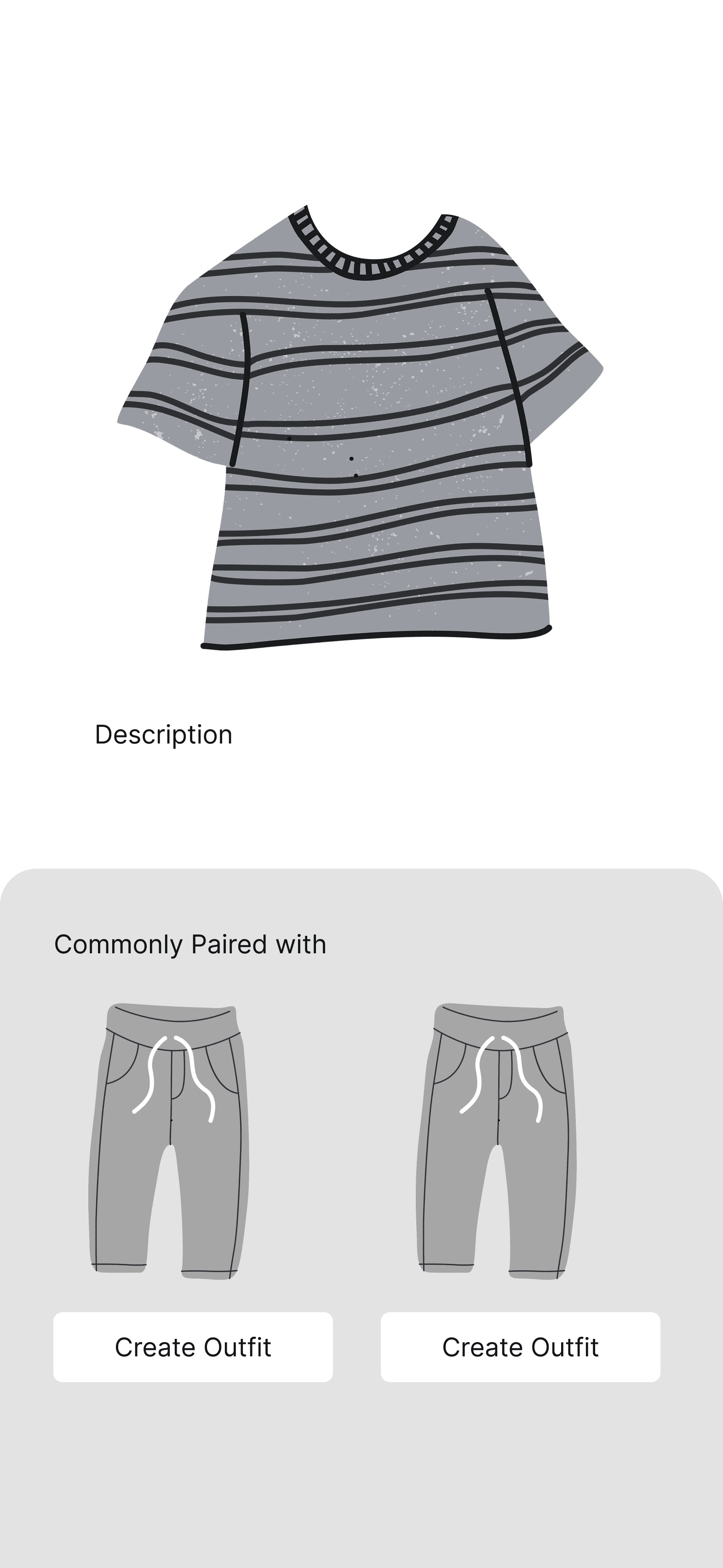
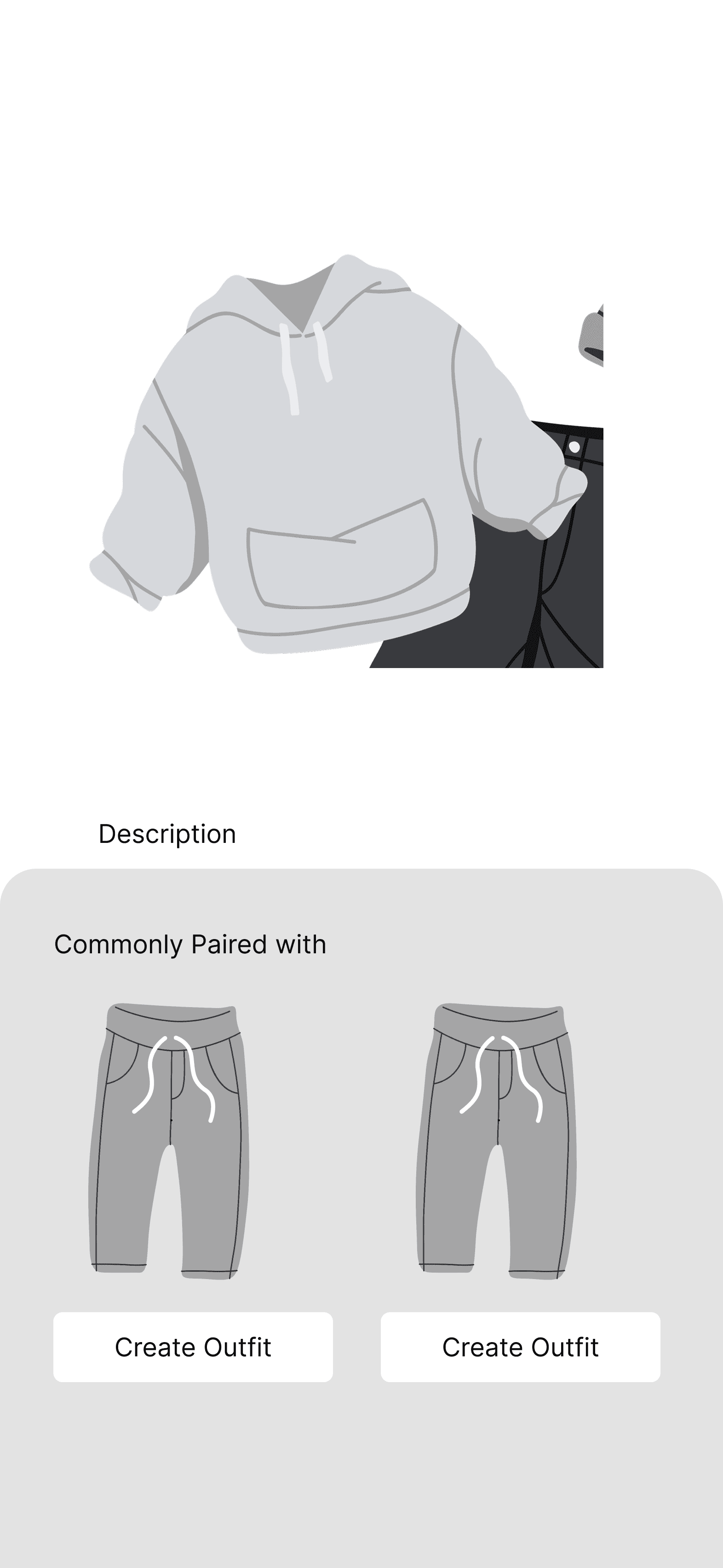
Following our 5 key tasks, I created a basic mockup of how I wanted the app to look like and the desired functions.
Branding
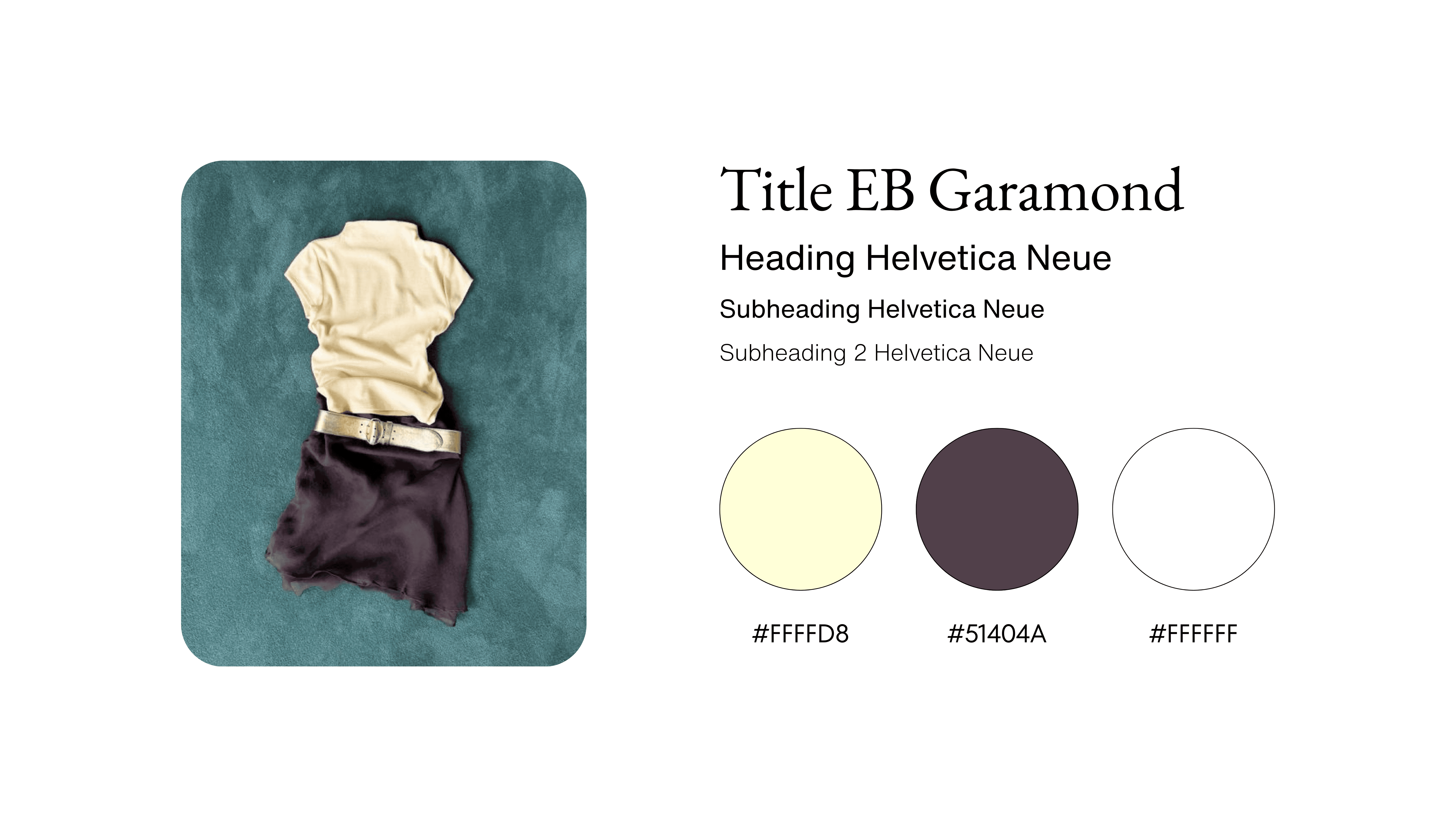
I developed a brand system to ensure the product felt consistent, approachable, and emotionally aligned with daily use. Visual consistency helps tie together features across the product and support long-term engagement.
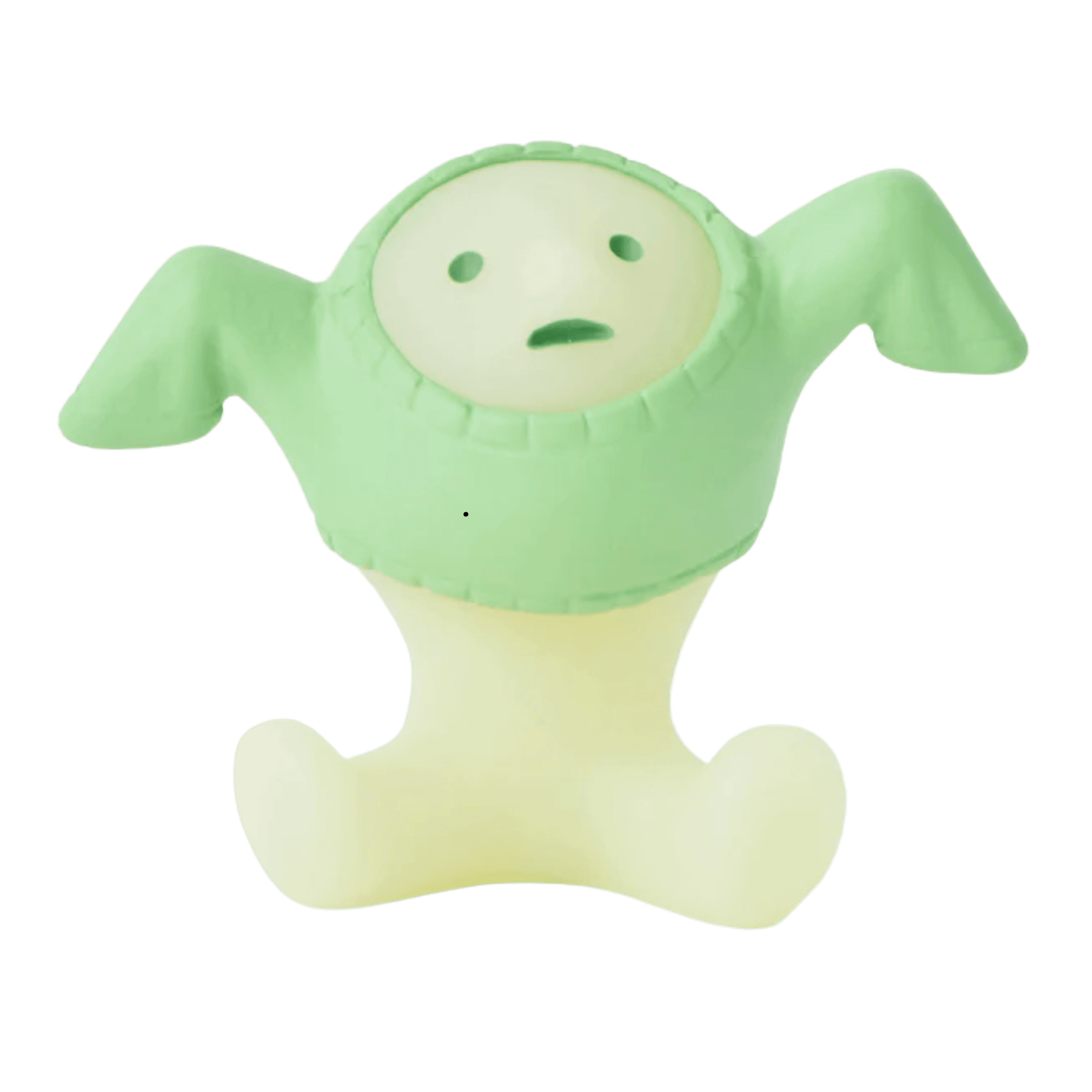
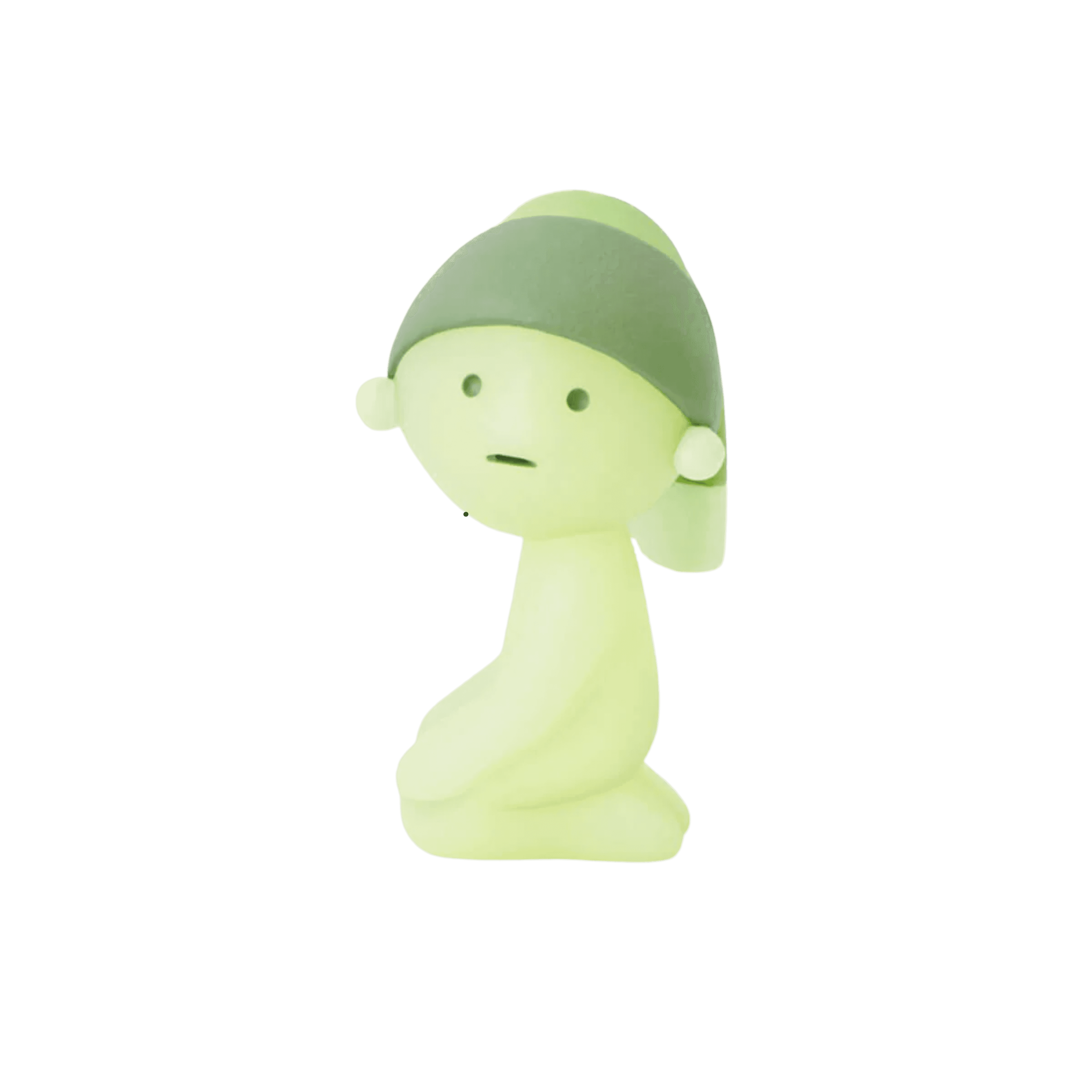
I was scrolling on Pinterest for inspiration and I came across this photo.. what better to inspire a fashion app than fashion itself?
User Testing + Iterations
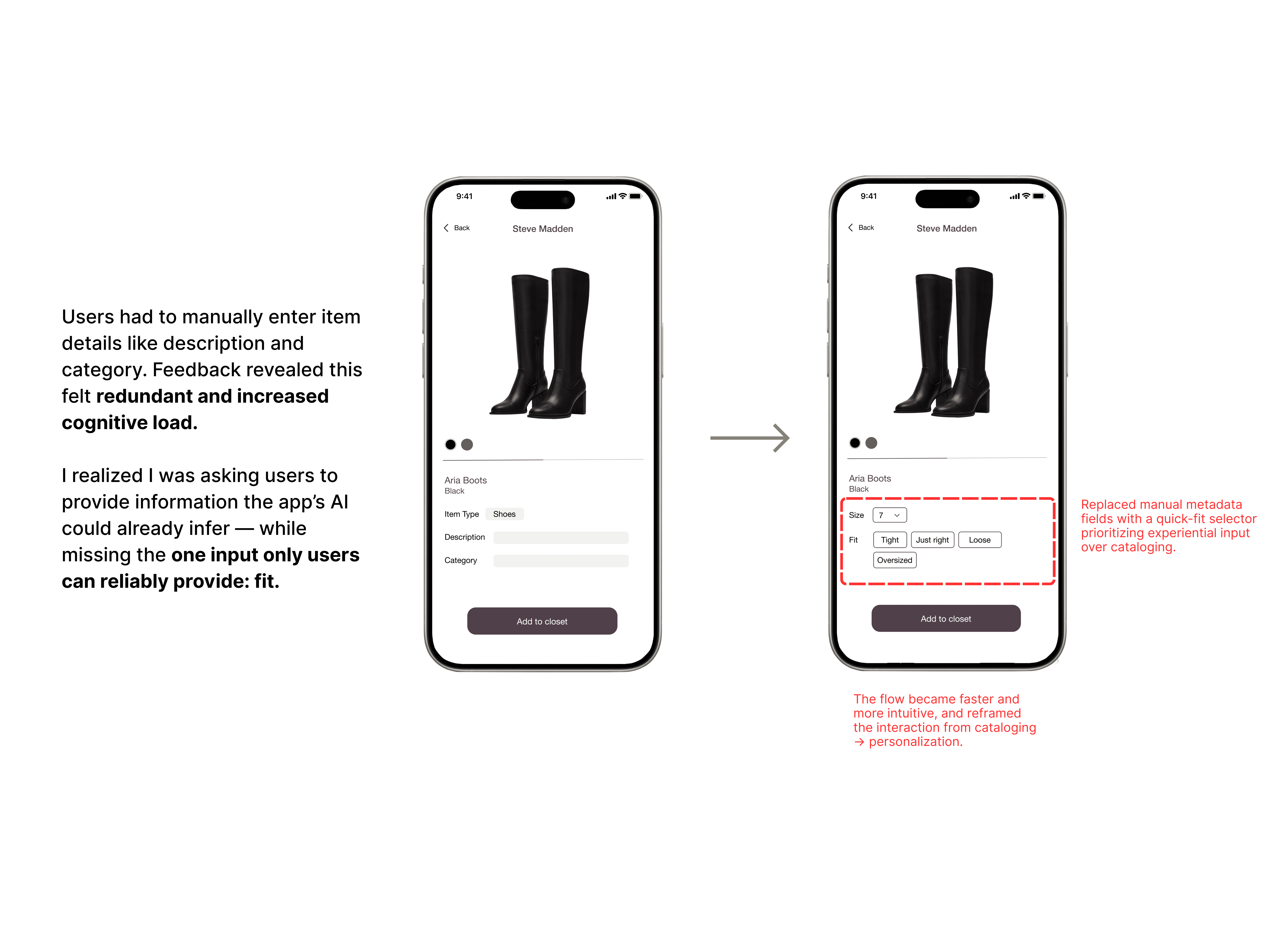
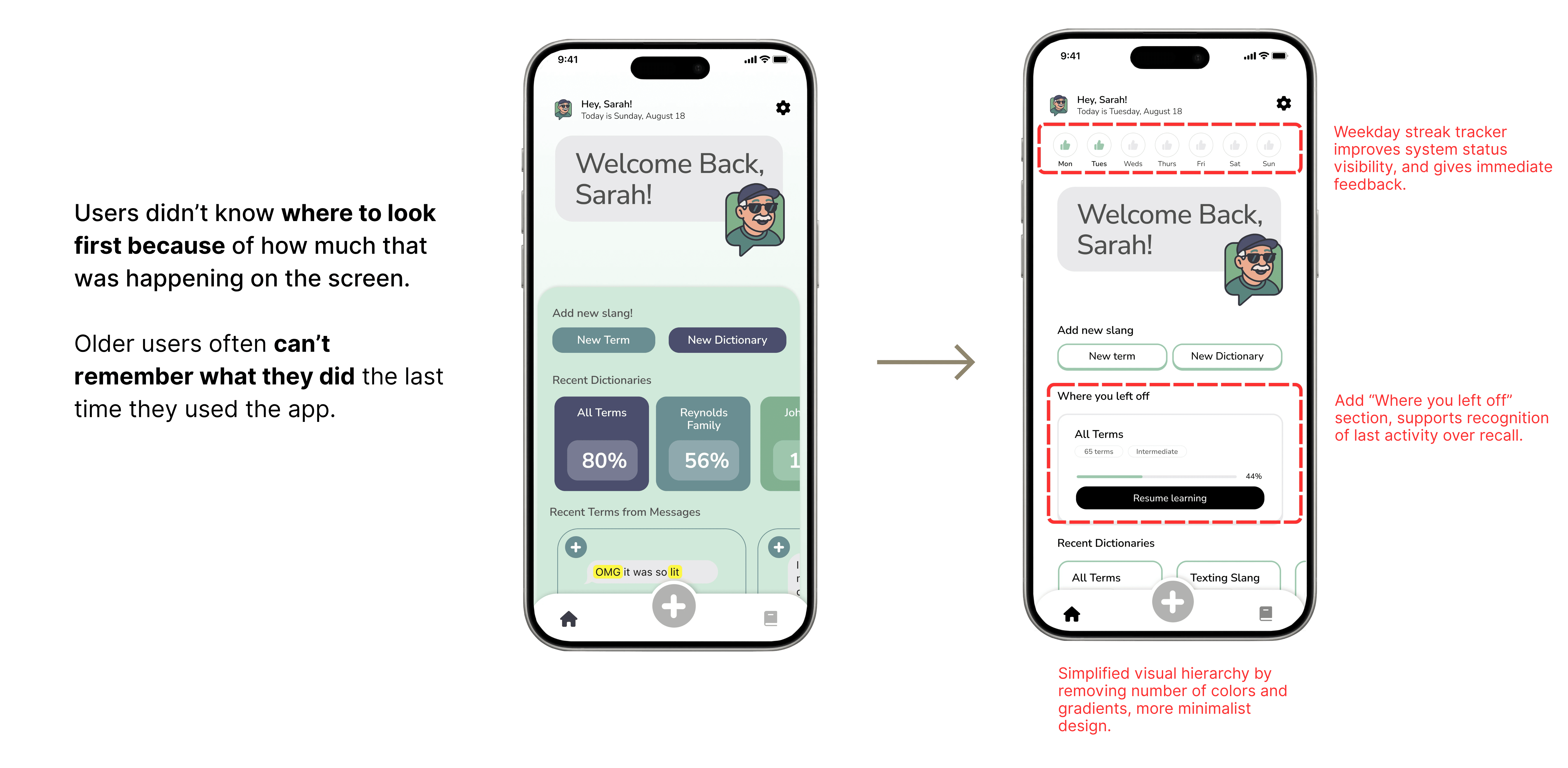
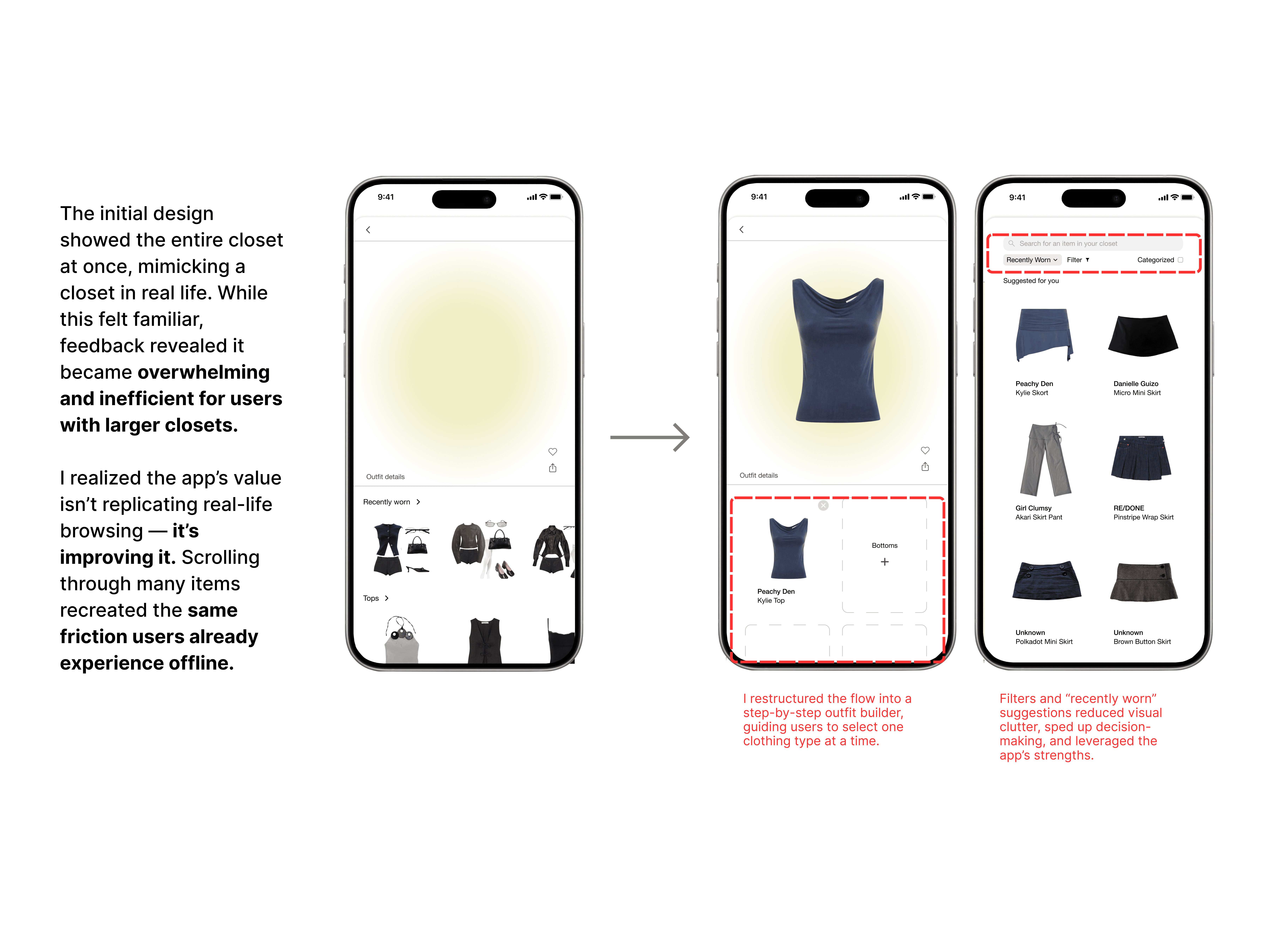
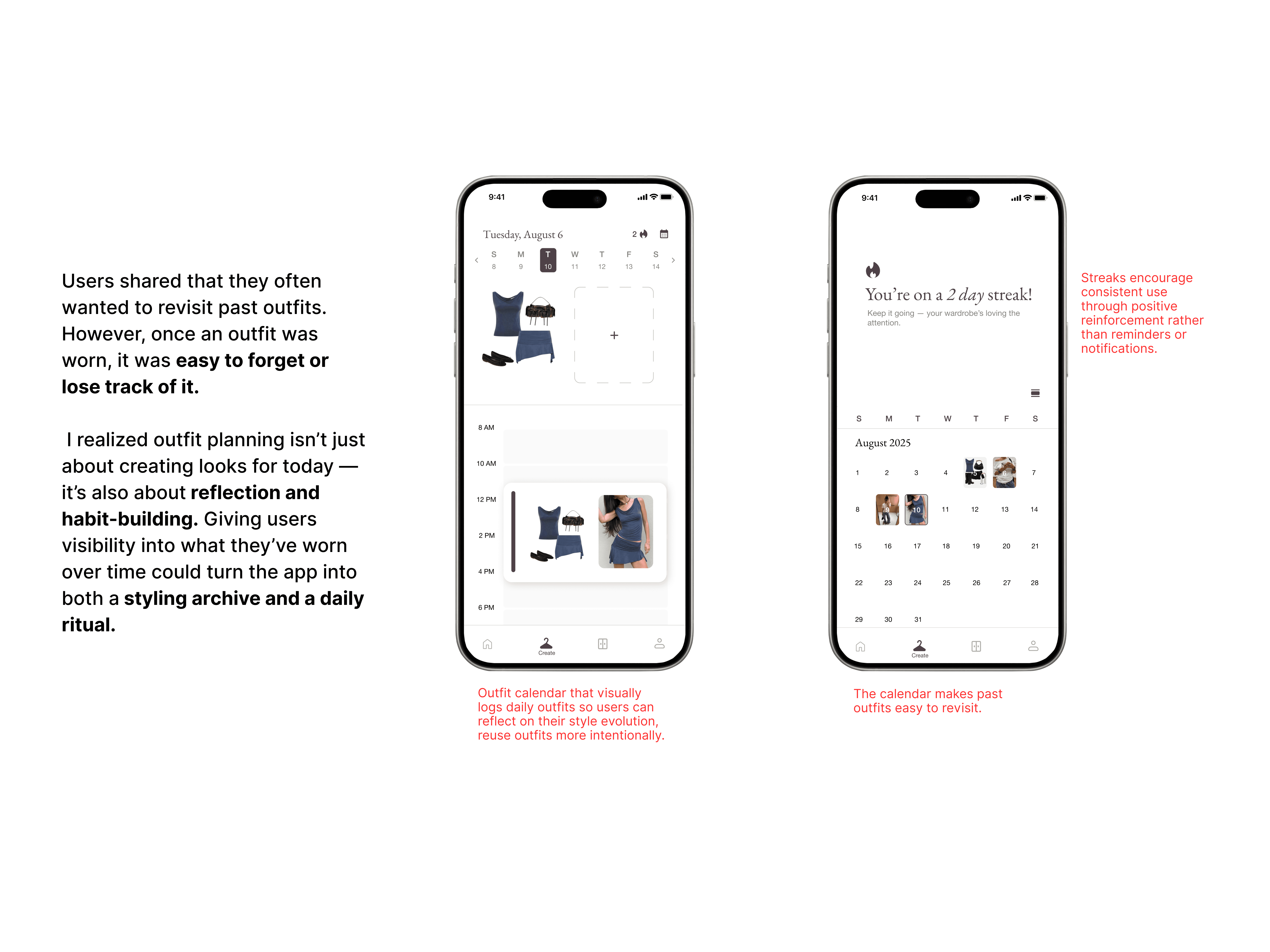
I knew I needed more feedback in order to catch the holes I was missing in my designs. I recruited friends, friends of friends, classmates, to conduct a few user testing sessions. They provided me extremely valuable feedback, and here are some of the changes I made in response:
Hi-Fi Prototypes
Here she is… in all her glory! Enjoy :)
Key Takeaways!
Designing for Scale – This project challenged me to think beyond single interactions and design for scale. As wardrobes grew, patterns like overwhelm and inefficiency emerged, which pushed me to structure flows, introduce filters, and guide users through decisions.
Humanizing AI - This project taught me that automation is most effective when it supports user decision-making rather than replacing it. I focused on identifying which tasks the system should handle automatically and where user input remained critical.
Bringing Sustainability Into Design Thinking - I learned how thoughtful product design can influence behavior over time. By helping users make more intentional choices, the product encouraged efficiency and consistency.

Smooth Scroll
This will hide itself!
This will hide itself!